
- calendar_today August 14, 2026
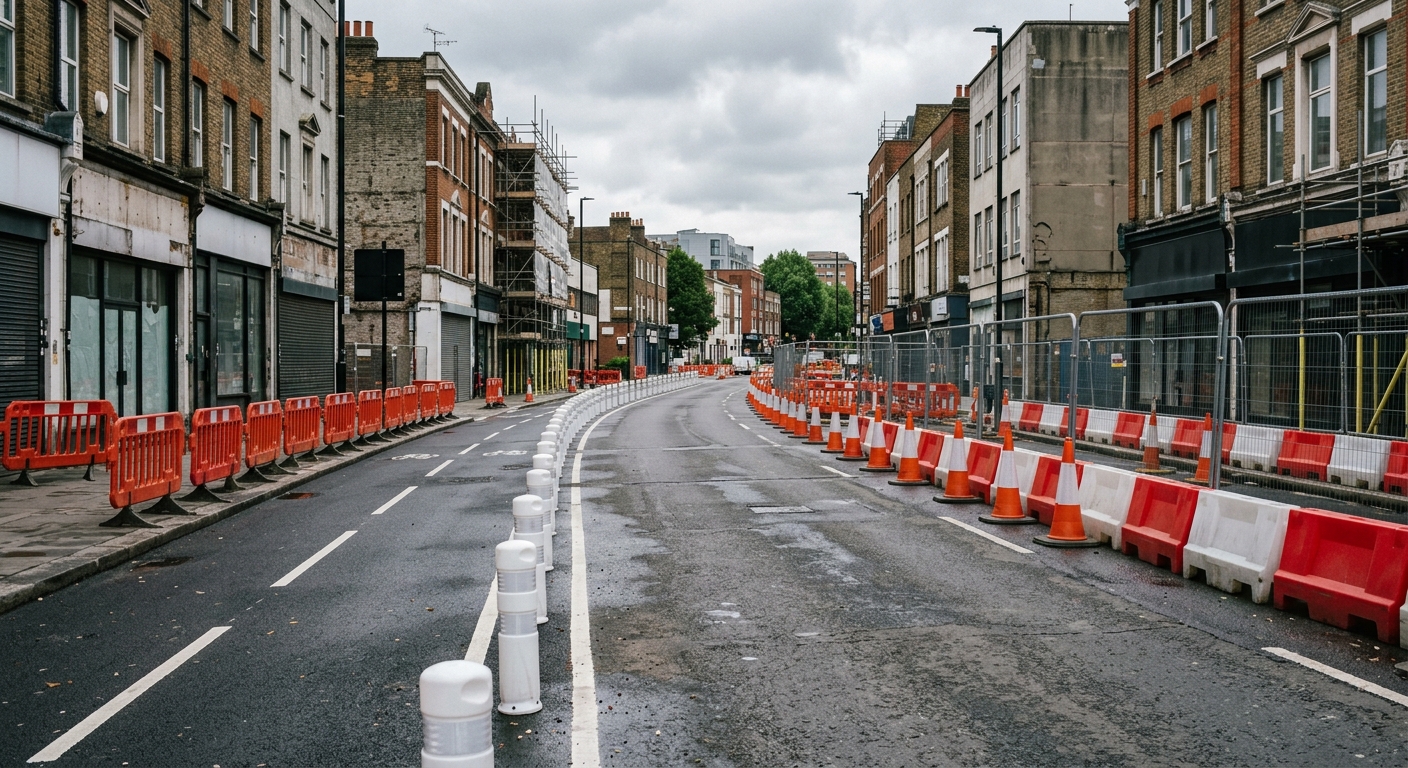
The Court of Appeal for Ontario has overturned a previous court decision, allowing the provincial government to proceed with the removal of 19 kilometres of protected bike lanes in Toronto—a decision closely watched in Atlantic Canada’s own debates about protected bike lanes and urban mobility.
Appeal Court Reverses Lower Court Ruling
The recent ruling revisited a 2025 decision in which a lower court found the province’s planned bike lane removal violated constitutional protections. In its newest judgment, the Court of Appeal for Ontario determined that neither the Canadian Charter of Rights and Freedoms nor any other legal standard obligates the government to maintain or regulate roads, or bicycle infrastructure, in a particular manner. This clears the way for Premier Doug Ford’s government to eliminate protected routes along major streets, including Bloor Street, Yonge Street, and University Avenue.
Key Issues in Cycling Infrastructure
At the heart of the case is the management of cycling infrastructure—a subject resonating well beyond Toronto and into cities across Atlantic Canada, where sustainable transportation and road safety remain top-of-mind. The ruling reignites questions over who has the ultimate authority in urban infrastructure planning: municipalities or provincial governments?
Legal Challenge and Municipal Politics
The journey to this decision began when advocacy group Cycle Toronto, backed by community stakeholders, legally opposed the 2024 provincial law. Justice Paul Schabas initially sided with the advocates, declaring that the proposed bike lane removal violated fundamental charter rights related to life and security. In contrast, the three-judge panel on appeal found that legal protection does not extend to specific urban design or transportation policies.
Role of Provincial Authority
The case underscores the persistent tension between provincial power and municipal politics. The Ford government contends that authority over urban mobility and road regulation ultimately rests with the provincial legislature. The appeals court decision reinforces that stance, stating Ontario is not constitutionally required to maintain or create bicycle lanes—nor is it constitutionally prohibited from removing them or even entire roads if deemed necessary.
Community Responses and Regional Parallels
The reaction from cycling advocates and civic organizations has been swift. Cycle Toronto expressed disappointment in the ruling and noted it sets a precedent with implications for cities nationwide, including those in Atlantic Canada where cycling infrastructure advocacy continues to gain momentum. Meanwhile, some government officials and local residents argue that the flexibility to regulate transportation is critical for effective governance and urban adaptation.
Impact on Toronto’s Cycling Network
The removal of Toronto’s protected bike lanes signals a potential shift in city policy, impacting commuter patterns and perceptions of safety. Beyond Toronto, cities in Atlantic Canada are evaluating their own cycling infrastructure and observing how provincial authority shapes local transit landscapes. The recent legal developments may influence future policies on road regulation and public consultation in regional urban centers.
Ongoing Developments Expected
As the provincial government moves forward, further legal and political action may unfold. Urban planners, cyclists, and advocacy groups in Atlantic Canada, as elsewhere, continue to monitor the broad impacts of this landmark decision. Stakeholders anticipate additional updates and possible appeals, underscoring the ongoing dialogue between law, urban planning, and the future of sustainable transit in Canada.