
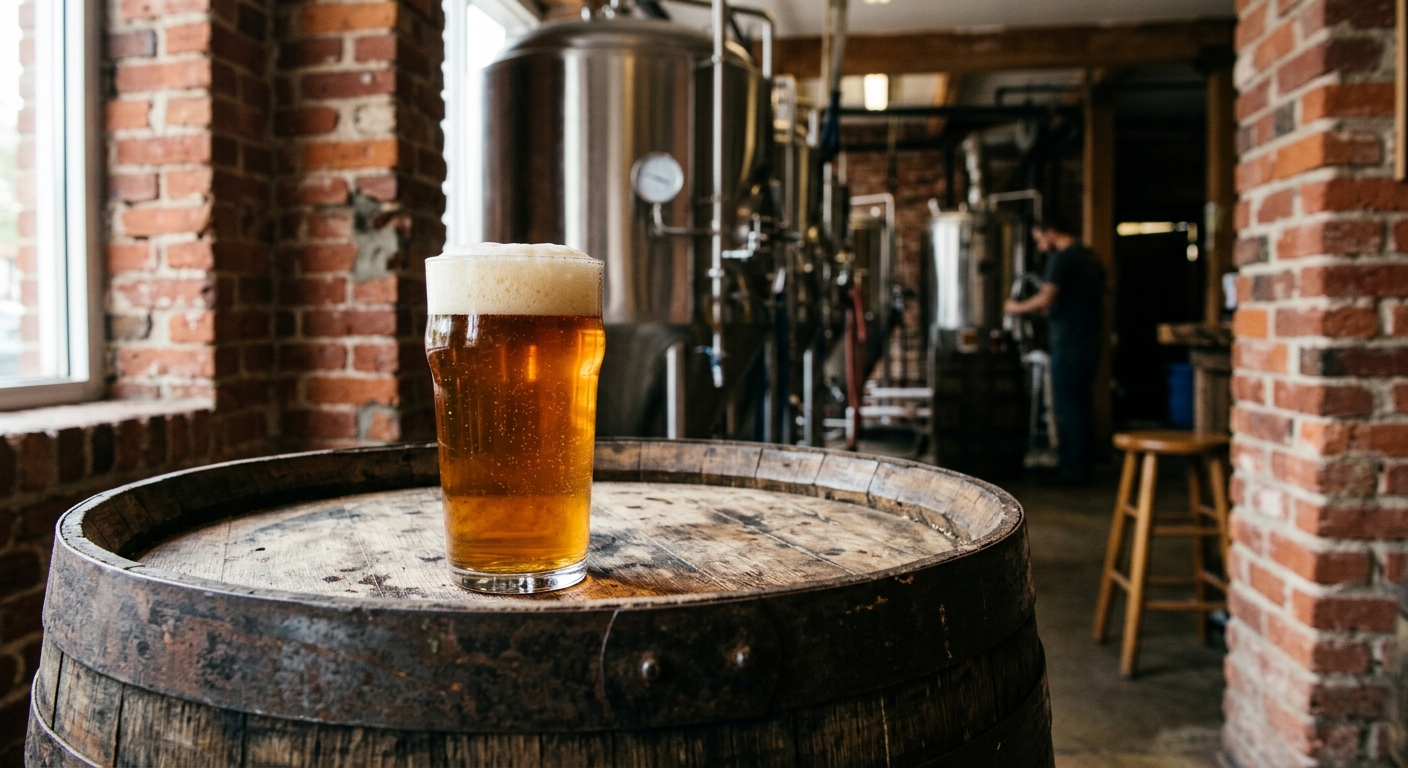
AI-generated illustration; not a photograph of the reported event.
- calendar_today November 7, 2026
Industry Overview: A Challenging Year for Nova Scotia Craft Breweries
Nova Scotia's craft brewing industry appears to be reaching a period of stability following a challenging year marked by an "unheard of" wave of brewery closures. According to Andrew Tanner, president of the Craft Brewers Association of Nova Scotia and co-founder of Saltbox Brewing, about 10 breweries have closed over the past two years, reducing the province's count to roughly 50 operational breweries. Despite the more recent closure of a microbrewery in Lower Sackville, Tanner believes the sector has stabilized.
Latest Sales Data: Craft Beer and Local Alcohol Market Trends
Recent financial results from the Nova Scotia Liquor Corporation (NSLC) revealed that sales of Nova Scotia craft beer decreased by 3.9 percent from April 1 to June 28. This marks only the second quarterly drop in craft beer sales over the past decade. Tanner commented that, while brewery sales were slightly down over the summer, it is not cause for alarm and is consistent with a general downturn in the local alcohol market. Overall beverage alcohol sales at the NSLC were down 1.7 percent during the same period, while other local products like spirits, ready-to-drink beverages, and wine saw declines of 8.7 percent, 6.3 percent, and 1.6 percent, respectively.
Economic Pressures Influence Consumer Choices
Joshua Counsil, co-founder of Good Robot Brewing, said the drop in sales was expected given the current economic climate. "The average Canadian is getting pretty squeezed right now," Counsil observed, noting that specialty items like premium beer are among the first expenses consumers cut back on when facing financial strain. This trend has affected both the restaurant and retail markets across the country for specialty alcohol products.
Direct Sales and Interprovincial Agreements
Tanner noted that NSLC statistics account for about half of all craft beer sold in Nova Scotia, as breweries also sell through their own taprooms and retail outlets. There has also been regulatory progress: Nova Scotia now has agreements with all provinces except Quebec and Saskatchewan, allowing breweries to sell directly to consumers in most of Canada. However, Tanner reported little impact from these agreements so far, attributing slow growth to high shipping costs fueled by rising fuel prices. Counsil added that Good Robot has seen increased inquiries from out-of-province buyers, possibly due to recent political developments, but substantial sales growth has not yet materialized.
Diversification and Future Prospects
To adapt to these market conditions, some breweries like Good Robot have diversified their operations beyond beer. Good Robot now operates The Beverage Factory, producing both alcoholic and non-alcoholic beverages for other companies, a process known as co-packaging. Only about 20 percent of its output is now their own craft beer, with the remainder coming from activities like producing energy drinks and probiotic sodas for third parties.
Looking ahead, Tanner emphasizes the continued importance of supporting local businesses as a way to sustain the province’s brewing sector and broader economy. The craft brewing industry, he notes, employs many people and contributes to economic activity, particularly through tourism.
Related coverage
Source: cbc.ca.