
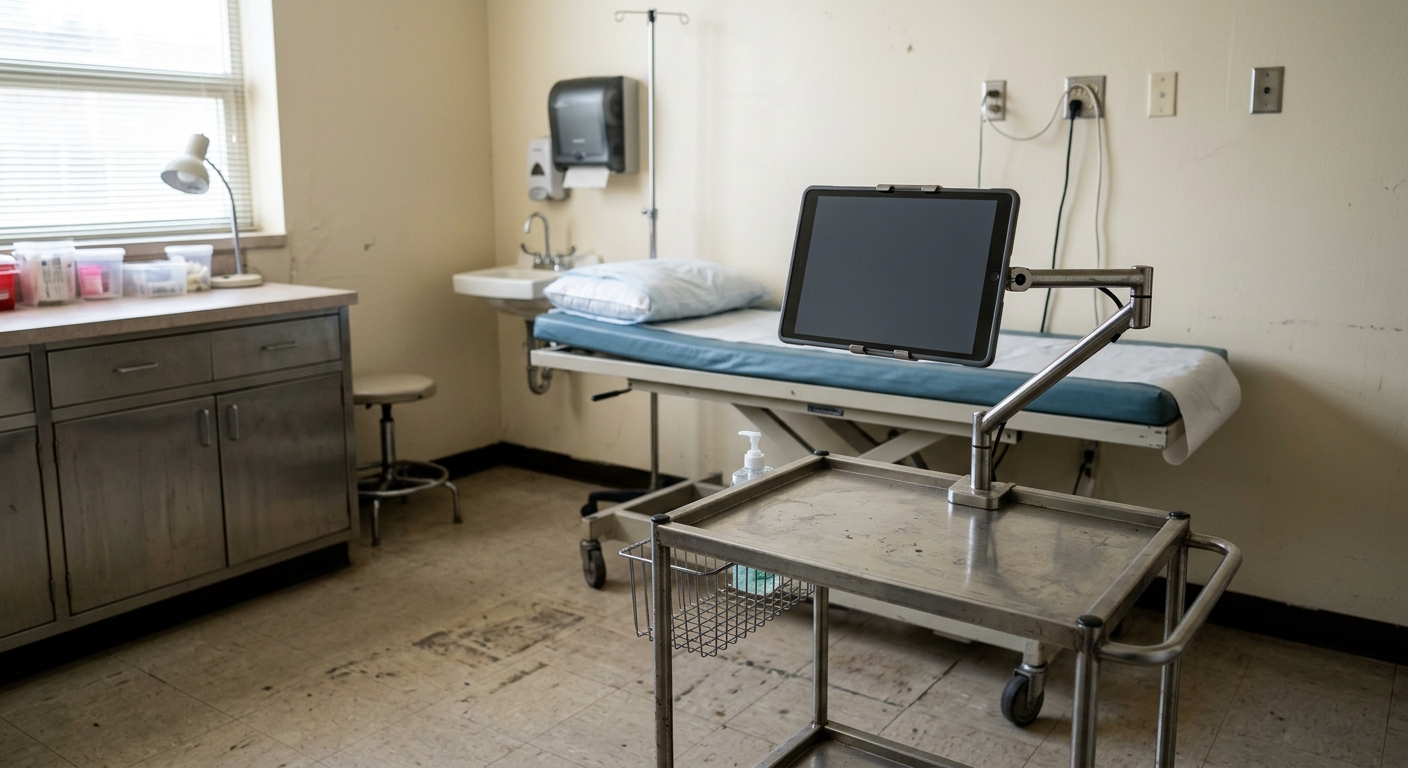
AI-generated illustration; not a photograph of the reported event.
- calendar_today October 21, 2026
Significant Expenditure on Virtual Health Care
Newfoundland and Labrador has spent $32.1 million over two and a half years on private virtual health-care services provided by Teladoc Health, according to recent figures released by the province's health authority. The spending highlights a growing reliance on virtual care as a response to ongoing doctor shortages throughout the province.
Teladoc’s Expanding Role Since 2023
In November 2023, Newfoundland and Labrador Health Services entered into a two-year contract with Teladoc valued at $22 million. The contract was initially intended to provide virtual primary care and virtual physicians in five of the province's emergency rooms. Since then, the use of virtual health care services has expanded quickly.
As of May, Teladoc's reach had extended to 10 emergency rooms and four urgent care centres across Newfoundland and Labrador. Mikaela Etchegary, a spokesperson for the health authority, confirmed that the contract was extended into the fall and that $32.1 million had been spent on teladoc services as of April 30.
Health Authority’s Position on Virtual Care
Teladoc Health, whose headquarters are located in New York City and Toronto, has been described by health officials as critical to maintaining health services in regions facing physician shortages. "Virtual emergency support has proven to be an effective solution for maintaining access to urgent and emergency care in communities where physician coverage challenges may otherwise impact the availability of local services," Etchegary stated in an email.
Concerns from the Medical Association
However, not all medical professionals are convinced this reliance is sustainable. Dr. David Metcalfe, president of the Newfoundland and Labrador Medical Association, expressed concern that the growth of Teladoc's footprint highlights the continuing doctor shortage in the province. In a statement, Metcalfe said that "virtual care was never intended to be a permanent substitute for emergency care, or a replacement for a family doctor."
"Three years after the program was introduced, we are seeing more communities depend on the virtual platform to keep their emergency departments open," Metcalfe added. "That is not a sign of success, and it’s not the standard patients should expect in a modern health-care system." He called for increased efforts to attract and retain physicians to reduce the need for private virtual health solutions.
Ongoing Debate Over Health Care Spending
The province’s spending on Teladoc’s virtual physicians and virtual care reflects wider debates about health care spending and the role of private companies in public health systems. While virtual options have helped address immediate needs in provincial urgent care centres and emergency rooms, stakeholders continue to discuss long-term solutions that focus on sustainable staffing and patient care standards.
Looking Ahead
As Newfoundland and Labrador continues to address its physician shortage, the extent and role of private virtual health-care services remain a point of contention. The province’s approach and future spending will likely influence how other regions respond to similar health-care challenges.
This report by The Canadian Press was first published Oct. 21, 2026.
Source: halifax.citynews.ca.