
- calendar_today September 1, 2025
Amazon Strengthens Atlantic Canada Operations with Technology and Community Partnerships
Amazon.com Inc. (NASDAQ: AMZN) is sharpening its focus on Atlantic Canada, unveiling a regional strategy that blends artificial intelligence-driven logistics, port-linked distribution, and targeted support for rural and coastal communities. The move positions the East Coast as both a gateway for international trade and a critical hub for connecting underserved areas to the broader e-commerce economy.
The expansion spans Nova Scotia, New Brunswick, Prince Edward Island, and Newfoundland and Labrador, each playing a distinct role in Amazon’s operational framework.
Halifax’s port — one of the deepest ice-free harbours in North America — has become central to Amazon’s East Coast logistics network. Leveraging its proximity to European shipping lanes, Amazon has increased container throughput for imported goods while using the port to export Canadian-made products to global buyers.
The company’s AI-powered customs processing system has been introduced to speed up clearance times, cutting port-to-warehouse delays by as much as 35 percent. New fulfillment spaces near Halifax Stanfield International Airport are also enabling faster air freight connections.
New Brunswick’s Cross-Border Advantage
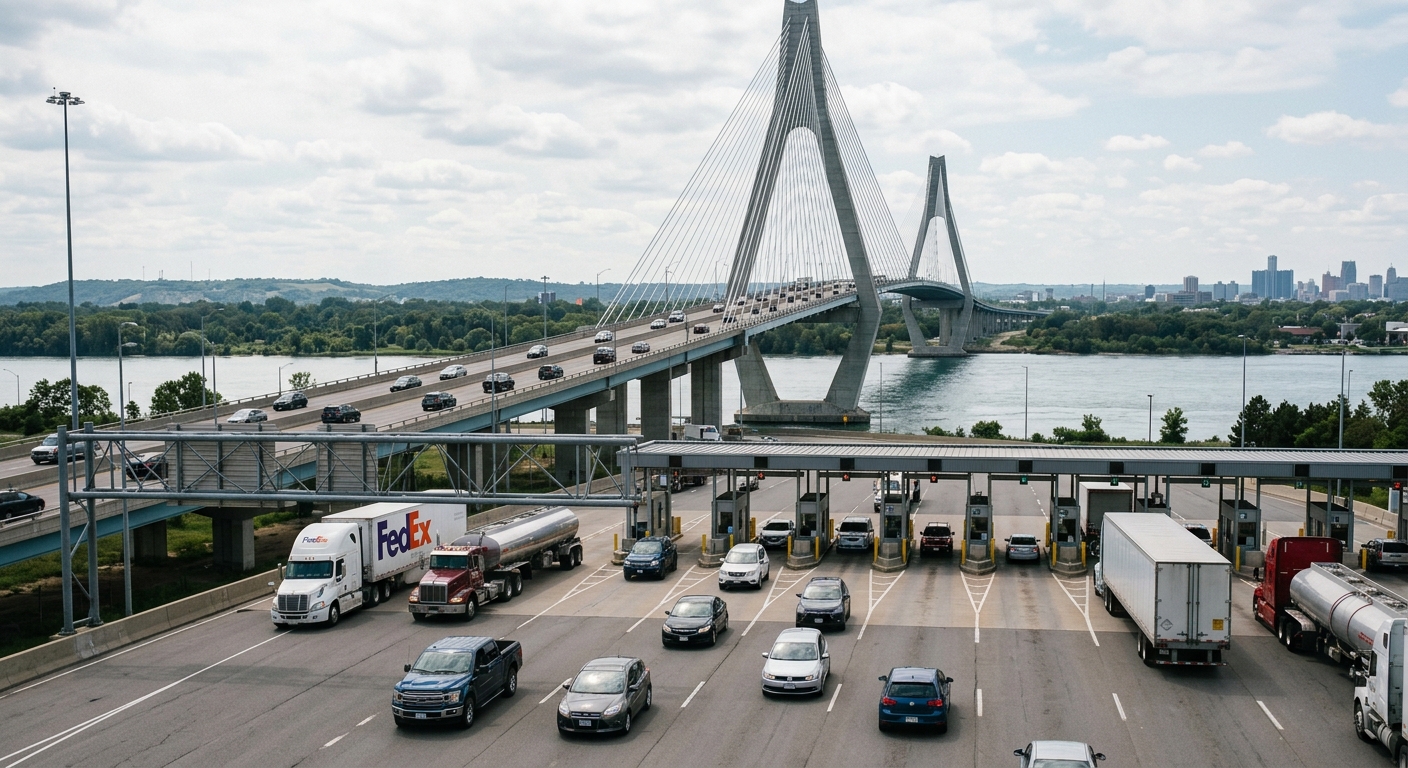
With Saint John and Moncton serving as key transit points, New Brunswick offers Amazon both port and highway access to central Canadian and U.S. markets. The province’s proximity to the U.S. border allows for streamlined cross-border deliveries, particularly for customers in Maine and the northeastern United States.
Amazon has deployed AI route optimization tools for delivery fleets in the province, reducing fuel use and improving delivery windows for both urban centres and remote inland communities.
Expanding Reach into PEI and Newfoundland & Labrador
On Prince Edward Island, where agriculture and artisanal goods form the backbone of the economy, Amazon has boosted its Fulfillment by Amazon (FBA) seller programs to help small businesses reach national and international buyers.
In Newfoundland and Labrador, where geography and weather pose unique delivery challenges, Amazon has rolled out a hybrid logistics model. Goods are transported via ferry and air freight to reach communities like Corner Brook and Happy Valley-Goose Bay, with coastal delivery routes adapted for seasonal changes.
AI-Driven Logistics and Predictive Demand Forecasting
Amazon’s expansion in Atlantic Canada is underpinned by AI systems that track purchasing patterns unique to the region. These tools anticipate demand surges — such as winter gear ahead of Atlantic storms or seafood packaging during export seasons — and adjust inventory distribution accordingly.
Robotics integration in fulfillment centers has improved throughput for diverse product sizes, from fishing equipment to industrial machinery components.
Rural Access and Last-Mile Innovation
Rural and coastal communities in Atlantic Canada often face extended delivery times, but Amazon is addressing this gap through partnerships with local couriers and maritime freight services.
In Nova Scotia’s South Shore and New Brunswick’s Acadian Peninsula, Amazon has piloted drone-assisted deliveries for small packages, particularly where road access is limited. The company’s rural expansion also includes enhanced tracking systems to keep customers informed in real time, even when weather disruptions occur.
Seller Growth and Export Potential
Local sellers across Atlantic Canada — from seafood exporters to small-batch jam producers — are increasingly using Amazon’s marketplace to expand beyond regional markets. The company has launched virtual workshops in partnership with provincial business development agencies, providing guidance on packaging standards, regulatory compliance, and digital storefront optimization.
Nova Scotia’s lobster exporters, for example, have seen stronger international sales through Amazon’s platform, aided by insulated packaging innovations and expedited customs clearances.
Sustainability and Carbon Reduction Efforts
Aligning with regional clean energy goals, Amazon has begun incorporating electric vans for short-haul deliveries in urban cores such as Halifax and St. John’s. The company is also testing maritime biofuel blends for coastal shipping routes, aiming to reduce greenhouse gas emissions from ferry-based logistics.
Energy-efficient upgrades at Atlantic fulfillment sites — including LED lighting and advanced climate control systems — have been implemented to cut operating costs and lower the carbon footprint.
Skills Development and Workforce Engagement
In partnership with local colleges and training institutes, Amazon is offering programs in logistics management, AI applications, and sustainable transportation. These courses are tailored to prepare Atlantic Canadians for emerging roles in tech-enhanced supply chain management.
Employment initiatives also prioritize seasonal workers from coastal areas, offering flexible scheduling that aligns with fishing and agricultural cycles.
Atlantic Canada’s Role in Amazon’s National and Global Network
By combining its access to international shipping routes, advanced AI logistics, and deep community integration, Atlantic Canada is becoming a strategic asset in Amazon’s Canadian operations. The region’s unique mix of maritime connectivity and small-business potential makes it both a distribution anchor and a growth frontier for the global e-commerce leader.