- calendar_today May 18, 2026
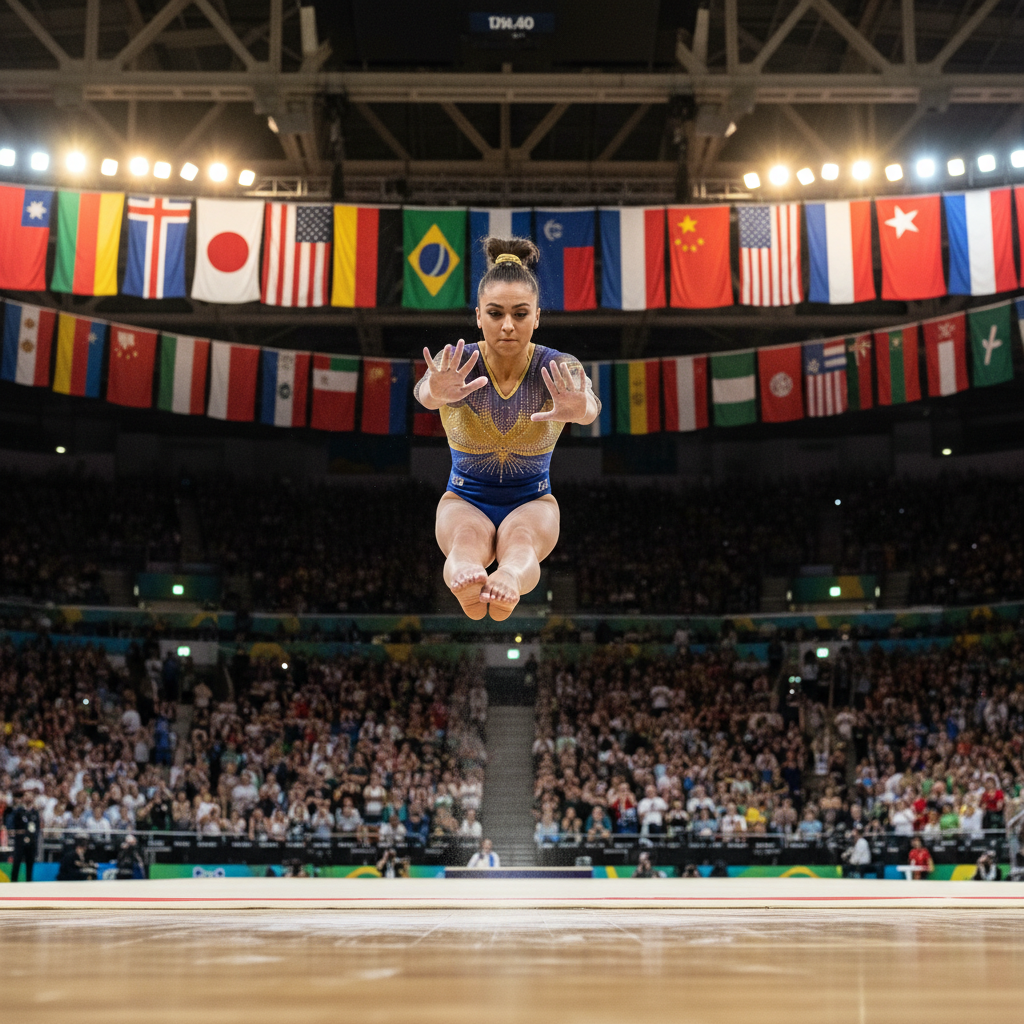
In a significant policy shift that resonates throughout Atlantic Canada, world gymnastics has officially lifted all restrictions on Russian and Belarusian athletes, permitting them to compete under their national flags at international competitions effective immediately. The move reverses a ban instituted in March 2022 after Russia’s military actions in Ukraine, restoring the full status of these athletes in the international arena and prompting discussion among sports communities across the region.
Background of the Ban and Recent Developments
The initial ban, established by world gymnastics at the onset of the Ukraine conflict, had prevented Russian athletes and belarusian athletes from participating in any sanctioned international competitions. The federations governing the gymnastics disciplines—artistic, rhythmic, acrobatic, aerobic, and trampolining—strictly enforced athlete restrictions for more than two years, impacting team rosters, medal standings, and competitive dynamics at major events, including Atlantic Canada’s own club participations and international prospects.
Return to National Representation
As of late 2024, Russian and belarusian athletes were permitted limited access to events, but only under a system of neutral participation that removed flags and anthems from competition. Now, with the reinstatement, these athletes can represent their nations across all five gymnastics disciplines, a move expected to reshape future international competitions. The change also opens the door for top competitors to make a mark again at events with strong Canadian and Atlantic Canadian representation, heightening the level of competition for local gymnasts seeking global success.
Influence of Broader Sports Policy Changes
This adjustment by world gymnastics aligns with recent decisions from other sports governing bodies. Organizations such as World Aquatics and United World Wrestling have similarly rolled back sports bans on athletes from Russia and Belarus. These parallel changes indicate a growing global trend towards normalization and athlete reinstatement, even as political tensions continue internationally.
Implications for Olympic and Local Athletes
Russia has long maintained a dominant presence in olympic gymnastics, famously winning multiple medals at the 2020 Tokyo Games. With these athlete reinstatement efforts, anticipation is building around future Olympic cycles. For Atlantic Canada’s gymnastic institutions and the broader Canadian sporting community, the decision introduces new considerations in athlete preparation, team selection, and competitive expectations, raising the standard of training at local clubs and heightening interest amongst young athletes.
Reaction from the Atlantic Canadian Sports Community
While world gymnastics has not issued additional statements beyond its immediate announcement, sports officials, coaches, and athletes in Atlantic Canada are fielding questions about how the sport policy change might affect local participation and the region’s standing on the international stage. Many experts are assessing whether these developments will lead to increased collaboration, new rivalries, or changes in training strategies as the landscape of international competitions evolves.
Looking Ahead
As regional clubs and athletes prepare for upcoming fixtures, the world gymnastics decision to remove athlete restrictions underscores the shifting dynamics of global sport. For Atlantic Canada, known for its passionate support and emerging gymnastic talent, these changes mark an important chapter that will influence the region’s sporting trajectory and engagement in international competitions for years to come.