
- calendar_today August 22, 2025
Atlantic Canada’s retail environment is weathering the effects of Lululemon’s decelerating demand. Learn how the region’s retailers are responding to shifting market dynamics.
Lululemon, the top activewear brand, has set its sales guidance below expectations after posting softer-than-expected demand. The softer demand is having shockwaves throughout the retail world, and Atlantic Canada is no different. Since Lululemon’s sales record does not leave a striking impression, Atlantic Canadian retailers are observing closely how such market shifts could impact their respective business models. From department stores to independent boutiques, Atlantic Canada’s fashion industry is being impacted by the troubles of this international brand.
Why Lululemon’s Struggles Matter to Atlantic Canada
Lululemon’s declining sales could have a number of major impacts on Atlantic Canada’s retail landscape. As the dominant activewear retailer, Lululemon is also used as a benchmark for the industry as a whole to perform.
Consumer Shift to Cheaper Activewear
Since there is increasing consumer pressure on Lululemon’s prices, Atlantic Canadian consumers with cost sensitivities may start shifting to cheaper alternatives. Local shops that retailed cheaper activewear brands or had special promotions and discounts may be the beneficiaries of this shift.
More Competition in the Activewear Space
With Lululemon having its difficulties, competition for the activewear space is getting fiercer. Local players now have the opportunity to increase their sale of budget-friendly and fashion-forward activewear brands, capitalizing on the enhanced popularity of athleisure as well as price sensitivity among consumers.
Pressure on Local Supply Chains
Lower demand for the Lululemon products implies that some of the Atlantic Canadian stores that depend on the brand’s product will be at risk of delays or not accessing inventory. This might be putting pressure on supply chains, and hence the near businesses would have to change in haste and look for alternative products or suppliers to meet customers’ demands.
How Retailers in Atlantic Canada Are Responding
Atlantic Canadian retailers are attuned listeners to the transformation occurring within the larger activewear marketplace. Based on Lululemon’s anticipated challenges, numerous retailers are actively realigning their business strategies and staying competitive.
Discovering New Activewear Brands
Atlantic Canadian retailers are, more and more, seeking to diversify their activewear merchandise, introducing new labels that will give consumers high-quality, competitively priced options to Lululemon. By carrying a wider selection of brands and offerings in store, local stores can continue to fulfill customers’ requirements without being overly dependent on one brand.
Encouraging Locally Made Fashion Options
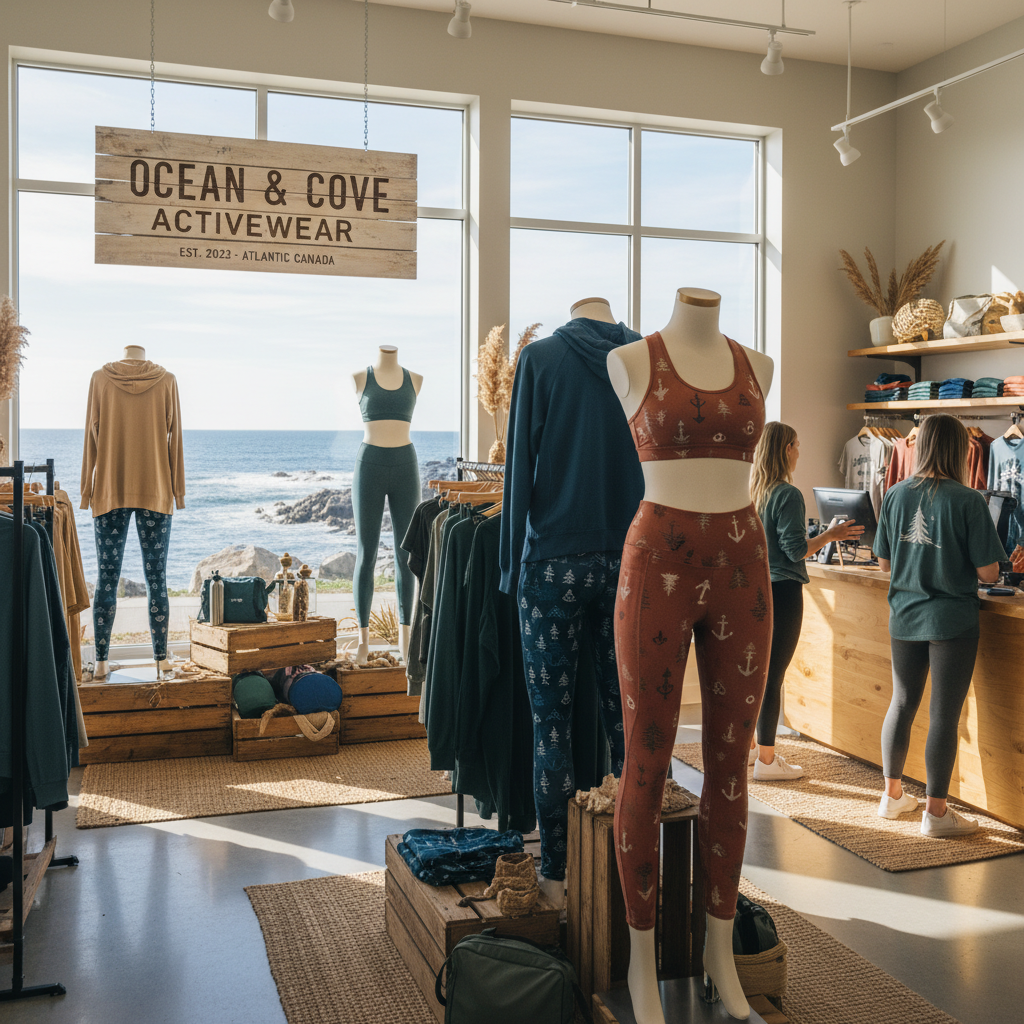
The majority of the local stores are catching up on the homegrown brand trend by using locally made and designed sportswear. These brands, which tend to focus on sustainability and innovative design, are a rival option to the mass brands such as Lululemon. By using locally produced items, stores can establish closer relationships with customers and have a more unique line of products in the marketplace.
Adapting to Consumer Trends
Atlantic Canadian consumers, similar to the rest of Canada, are becoming more conscious of sustainability and cost-conscious buying. Retailers are adapting by bringing more environmentally friendly activewear products to the market based on brands that place a high value on ecologically sound methods and materials. This not only shows increasing consumer interest in environmental responsibility, but also provides regional retailers with a point of distinction.
Impact on Atlantic Canadian Consumer Behavior
Lululemon’s supply issues are also influencing the manner in which Atlantic Canadian consumers are making purchases. Several influential trends are emerging:
Price Sensitivity Increases
As economic pressures continue to weigh on household budgets, Atlantic Canadian shoppers are increasingly becoming frugal with their wallet strings. As the cost of living escalates, consumers are exercising greater scrutiny over purchases for greater value. Consequently, consumers may be less likely to splurge on luxury brands such as Lululemon and prefer more economical, similar substitutes.
Growing Demand for Multi-Functional Products
With spending becoming more sensible, Atlantic Canadians are also growing more and more interested in fitness apparel that is multi-functional. Customers are looking for functional wear that can be fashionably suited for fitness classes as well as day-long outdoor adventures. Sellers who address this demand will be best positioned to offer customers who value savings in their apparel purchases.
Emphasize Brand Community and Loyalty
Atlantic Canadian customers have a high sense of community and loyalty to local retailers. When big chains such as Lululemon are hurt, customers can easily opt to shop at small local boutiques that provide one-on-one service and a feeling of community. Brands that build a shopping experience around community can gain the benefit of increased customer loyalty in times of crisis.
Conclusion
Lululemon’s demand challenges have certainly sent ripples through Atlantic Canada’s retail scene. As shoppers become more price-conscious and the market for quality, affordable workout gear continues to rise, Atlantic Canadian retailers are answering by offering more products and becoming eco-friendly. With strongly rooted regional brands and a growing emphasis on loyalty, Atlantic Canada’s fashion industry is poised to weather this change and keep growing.