
- calendar_today August 23, 2025
Atlantic Canada’s business and economic sectors are closely watching the U.S. government proposal to borrow $6.8 trillion within 2025. Understand how fiscal uncertainty can affect regional trade, investment, and economic stability.
Introduction
The move by the U.S. government to borrow $6.8 trillion by 2025 has generated a lot of anxiety in the country and internationally. In Atlantic Canada, where economic activity and business are so inextricably bound up with the United States, this budget uncertainty has been the subject of intense scrutiny by business leaders, economists, and politicians. This increased national debt can have its effects resonate on anything from interest rates to trade and investment opportunities. Atlantic Canada, with its close relationship with the U.S., will be susceptible to threats and challenges from these fiscal changes.
Consequences of U.S. Debt for Atlantic Canada
The economic relationships of Atlantic Canada are deeply interlinked with that of the U.S. in terms of trade, investment, and economic relationships. The borrowing tactic of the U.S. has various consequences on eventual effects on these relationships and regional economic stability.
Increased Borrowing Costs
One of the Atlantic Canada’s biggest concerns is the threat of a rising rate of interest as a result of the U.S. government’s borrowing binge. The more that America borrows, the greater is the demand for capital that can push interest rates throughout the world higher. For Atlantic Canadian companies, this would translate into rising borrowing costs to finance expansion, innovation, and new projects.
Such sectors as manufacturing, construction, and retail would be affected if borrowing costs are higher. Small and medium enterprises (SMBs) of Atlantic Canada, that highly depend on cheap loans, would be disproportionately losing if such higher costs prevail. Additionally, higher rates would deter new investment or postpone long-term business planning.
Trade and Currency Issues
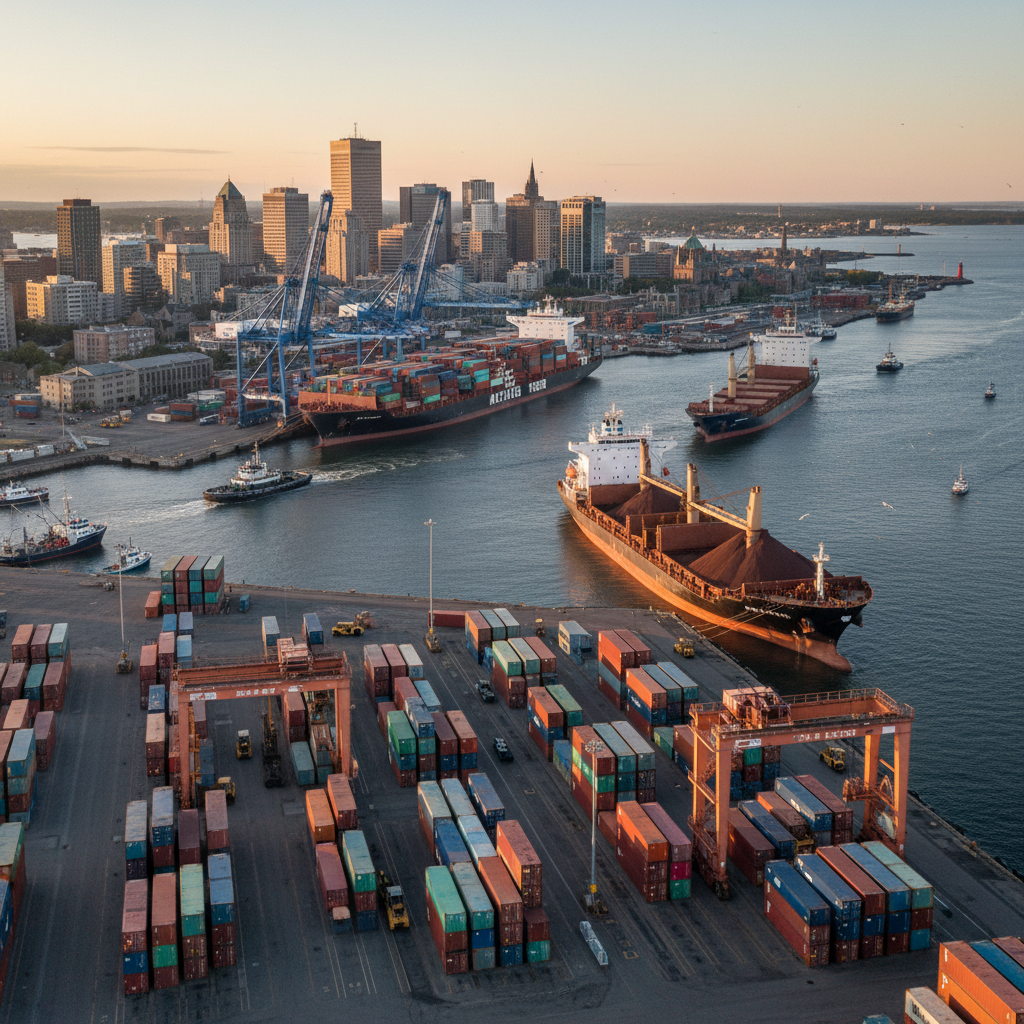
Atlantic Canada’s trade relationship is massive with the U.S., with the prime industries being forestry, fishing, agriculture, and manufacturing. A growth in U.S. national debt would affect the purchasing power of the U.S. dollar, causing exchange rate instability in trade flows.
If the U.S. dollar appreciates due to higher borrowing, Atlantic Canadian goods could be pricier to Americans and they might reduce demand. If the prices go up in response to higher debt, goods become more costly, which impacts the competitiveness of Atlantic Canadian goods in the U.S. markets.
Furthermore, uncertainty with respect to the financial health of the U.S. could also affect trade flow. For example, if the U.S. experiences credit risk or credit downgrade in the event of its increased debt burden, foreign investors can be even more risk-averse, and this could affect the stability of trade between the two blocs.
Investment Uncertainty
Atlantic Canadian investors are watching closely how the U.S. debt crisis plays out because it will have implications for markets across the globe. The U.S. borrowing program also has a chance of triggering market volatility, with investors sitting on their hands and waiting and seeing. This will cut back capital coming into Atlantic Canada, enabling specifically those sectors that are cross-border investment dependent to be impacted.
The greater fiscal uncertainty would also lower investor confidence in the American market and impact active Atlantic Canadian investors in American stock markets or companies. With unstable world markets, investors will sell riskier assets, thereby slowing foreign investment-reliant growth areas like Atlantic Canada.
Potential Inflationary Pressures
Another serious risk caused by the U.S. borrow-and-spend policy is inflation. When the U.S. borrows this gargantuan sum, inflation may take a rapid hike, affecting the price of goods and services. Atlantic Canada, as the rest of the world, might experience higher foreign goods and materials costs.
If there is greater inflation in the United States, it is possible that it makes Canadian consumers pay more due to the fact that most U.S. products around Atlantic Canada become pricey. It can make consumers’ spending on discretionary goods in the region lower, impacting region-based firms.
Atlantic Canada’s Response to U.S. Fiscal Challenges
As the U.S. becomes increasingly financially unpredictable, Atlantic Canadian business and government leaders are making plans to reduce the worst of the impact. Among the steps they are taking are:
Diversifying Trade Partnerships
While the U.S. continues to be Atlantic Canada’s most important trading partner, diversified trade relationships are pursued vigorously in the region. By building its trading connections with Europe, Asia, and other foreign markets, Atlantic Canada can diversify its dependence on the U.S. market. Diversification will ensure that the region is protected from possible disruption of U.S. demand and exchange-rate fluctuations.
Investing in Innovation and Technology
The Atlantic provinces are looking to innovation and technology as a way of sustaining economic growth amidst global uncertainty. Through investment in new industries such as clean energy, technology, and digital enterprise, Atlantic Canada will be able to gain access to new business prospects for growth and draw investment. As the world focuses on innovation and technology as drivers of economic development, Atlantic Canada has the opportunity to be a viable participant in these industries.
Fiscal Responsibility at the Provincial Level
With rising inflation risk and economic uncertainty, regional governments in Atlantic Canada are keeping their eyes on being financially responsible. Balanced budgeting and provincial debt management are the essentials of being financially stable. The governments continue to invest in infrastructure and public services that will support long-term economic growth without taking on too much borrowing.
Building Stronger Regional Economies
By focusing on entrepreneurship and diversifying local economies, Atlantic Canada can reduce its reliance on overseas economic stimuli. Building regional agricultural, manufacturing, and technological sectors will create jobs and keep economic activity going, even during crisis times in world markets.
The Road Ahead for Atlantic Canada’s Economy
The growing fiscal uncertainty that pervades the $6.8 trillion borrowing policy of the U.S. government worries Atlantic Canada. From increased interest rates to changing patterns of trade, the region will have to navigate through these challenges carefully. But by emphasizing diversification, innovation, and sound budgeting, Atlantic Canada can lessen its vulnerability to these global changes.
In the end, Atlantic Canada’s economic destiny will be determined by its capacity to adjust to new conditions, seek new development opportunities, and guard its economic interests in the era of global fiscal insecurity.
Conclusion
Fiscal woes of the U.S. government pose enormous challenges to Atlantic Canada, yet the diversification vision, innovation, and prudent fiscal policy provide it solid grounds to survive economic stormy weather. Through the continued growth of robust economies, investments in new technologies, and diversification of trading relationships, Atlantic Canada can sustain itself amid uncertainties.