
- calendar_today August 19, 2025
Artificial intelligence is rapidly transforming various industries, and as OpenAI expands across the globe, Atlantic Canada pretty much keeps an eye on how AI will fold in and affect its regional economy job creation through automation and AI innovations in businesses, health care, and fisheries to preparing itself for opportunities and challenges that AI will present.
The Expanding Role of AI in Atlantic Canada
Atlantic Canada has undergone a gradual trajectory toward tech investment from its traditional sectors like fishing, manufacturing, and tourism. Although cities like Halifax and St. John’s already boast nascent AI research hubs, OpenAI’s expansion may well magnify this region’s adoption of AI-driven solutions across the industries.
Areas of premier impact:
1. Business and Growth in the Economy
AI has become a milestone for introducing revolutionary changes in business functioning by being efficient, effective in decision-making, and, most importantly, customer engagement. SMEs that finally support the broader Atlantic Canada economy are just about ready to opt for AI tools for better productivity. Chatbots handling customer inquiries and AI-enabled data analytics for better business strategies soon these companies will find new ways to use artificial intelligence.
2. The Fishing and Agricultural Sector
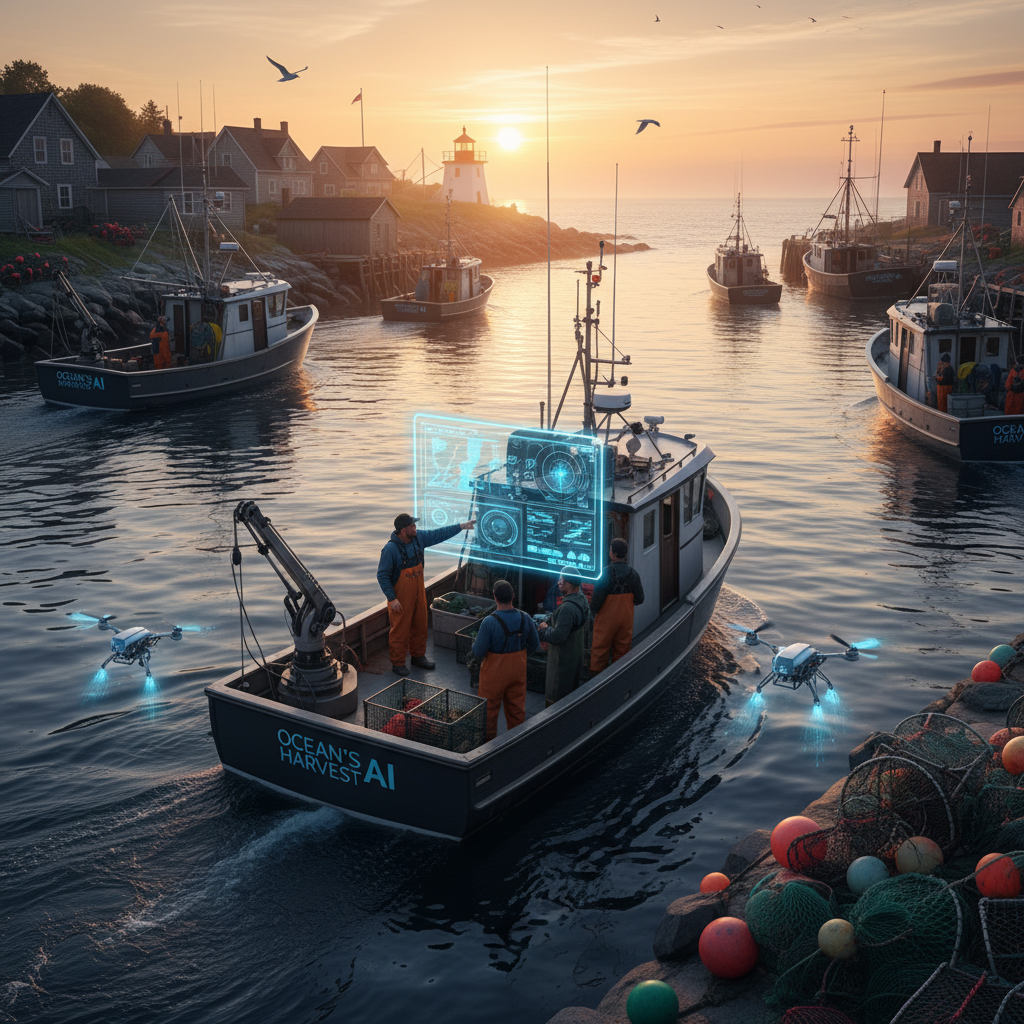
These sectors are predominant sectors, adding revenue to the economy of Atlantic Canada, and AI-based monitoring of fish stock can really add value to waste reduction and make the economy more sustainable. Then, machine learning algorithms can analyze the ocean’s movement patterns to know when and where fishermen should go to fish. AI will have a similar use in agriculture, as it would use drones and sensors to help optimize crop management while forecasting weather changes and improving productivity overall.
3. AI in Health Delivery and Medical Research
Artificial Intelligence will initiate all new possible avenues in Atlantic Canada’s health sector as it strives to improve its diagnostic, patient care, and medical research applications. For instance, an imaging AI system is able to identify disease at an early stage, efficiently manage hospitals, and provide virtual healthcare services for remote communities that have little or no access to the professional health system.
4. AI and Job Creation: Opportunities & Challenges
AI growth in Atlantic Canada has created a lot of hype as well as fear behind the veil of job creation and replacement. Routine work would be taken over by artificial intelligence for most, but new opportunities would open up in data science, machine learning, and AI development.
5. Smart Cities and AI in Urban Development
Cities in Atlantic Canada are investigating AI technologies for intelligent urban planning, such as enhanced traffic management, waste minimization, and optimized public services. AI-based analytics can assist urban planners in better allocation of resources, while research in autonomous vehicles could influence transportation futures in the region.
Atlantic Canada AI Adoption Challenges
As much as AI offers great opportunities for growth, there are also challenges to consider:
- Infrastructure and Connectivity: A few rural parts of Atlantic Canada remain plagued by lack of internet penetration and digital infrastructure, which can retard AI uptake.
- Workforce Transition: The area will require interventions to support workers in transition into AI-driven sectors so they do not become left behind by the changing employment landscape.
- AI Ethics and Regulation: As use of AI spreads, policymakers need to tackle concerns about data privacy, algorithmic bias, and responsible AI development.
Looking Ahead: Atlantic Canada’s Role in the AI Revolution
With OpenAI reaching more and more corners of the world, Atlantic Canada stands a chance to realize the economic and technological growth possibilities that AI holds. Investing in AI research, enabling local companies to adopt AI, and making the workforce AI-ready will place the region in the spotlight as a driver in the future’s AI-powered economy.