
- calendar_today August 15, 2025
Hyundai’s recent public commitment to invest $21 billion in the U.S. auto and steel sectors has tongues a-wagging from one side of North America to the other. With the South Korean automaker stepping up production for EVs, battery build-out, and steel infrastructure, how will this action impact trade corridors, supply chains, and industries in the Atlantic provinces?
Trade and Supply Chain Considerations
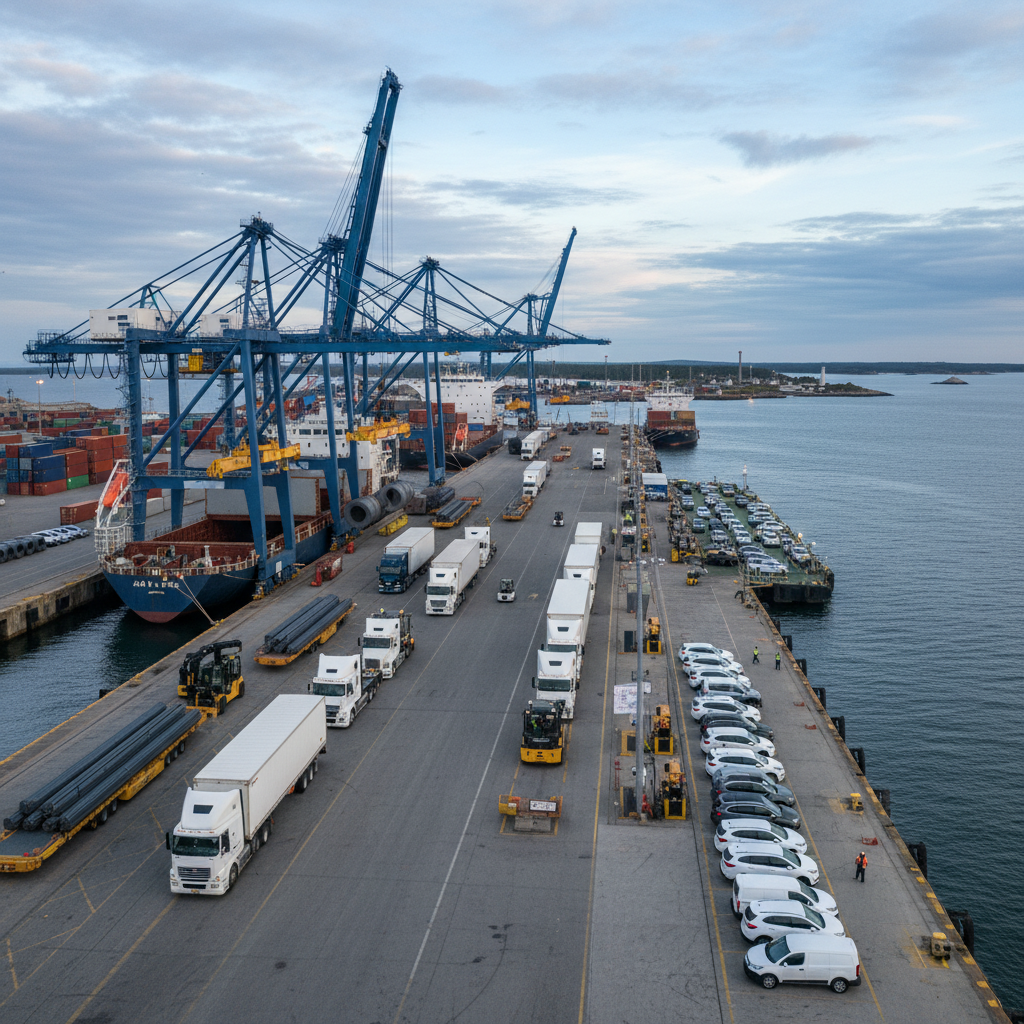
Atlantic Canada provides significant input to Canada-U.S. trade via ports and transportation. The investment by Hyundai can alter trade relations, impacting vehicle availability for imports, steel production, and shipping activities.
Vehicle imports: With more being manufactured in the United States by Hyundai, foreign market imports into Canada will probably reduce, impacting vehicle availability and prices in Atlantic Canada.
Steel and Industrial Materials: The investment would be strongly concentrated on steel manufacturing, which would impact Atlantic Canada’s steel export to the U.S. and redefine demand for raw materials locally.
Shipping and Port Traffic: Hyundai’s localization strategy would also influence Atlantic Canada’s role in automobile and industrial shipping, primarily at ports like Halifax and Saint John.
Impact on the Automotive Market in Atlantic Canada
Hyundai’s investment will drive the transition to electric vehicles and assist Canada in its transition to clean vehicles. Atlantic Canada, in which EV acceptance is developing progressively, could experience some shifts in availability, price, and infrastructure needs.
Increased Availability of EV Models: Hyundai’s action to expand manufacturing south of the border will increase the choice of EVs in Canada, to the benefit of consumers looking for price-conscious electric options.
Given the prospect that U.S.-produced vehicles will have less price pressure, possible pricing influences could come in the way of currency or trade policy.
Charging Infrastructure Incentives: An increase in EV ownership possible due to the investment could spur the development of charging stations and lead to government incentives for green transport.
Economics and Job Market Effects
While Hyundai’s investment is set to majorly impact U.S. manufacturing, these changes are expected to percolate into Atlantic Canada’s energy, tech, and industrial environment.
Clean Tech & Energy Growth: With battery production and EV technology as major growth areas for Hyundai, these initiatives may find synergies with Atlantic Canada’s renewable energy and clean tech sectors.
Resource Adaptation: As more and more EVs enter the market, those automotive professionals and mechanics that are local may soon have to adapt or train for the new-to-them vehicle technologies.
Strengthened Trade Relations: This expansion will provide opportunities for Atlantic Canadian suppliers and trade partners new avenues in logistics, materials, and transport.
Looking Forward: Preparing for Transition in Industry
Hyundai’s announcement of its $21 billion investment in the U.S. is a clear sign of changing automotive industry dynamics. Atlantic Canada will have to pull together, and trade strategies will need to be adapted to support EV expansion and solidify supply chain support.
As Hyundai reshapes its North American production strategy, Atlantic Canada will need to adjust to evolving market conditions, ensuring regional businesses and consumers benefit from the industry’s transformation.