- calendar_today August 9, 2025
In 2025, the ongoing escalation of trade tensions between the United States and China continues to send waves through global markets, with Atlantic Canada feeling the effects in tangible ways. As a region rich in natural resources, with a strong reliance on international trade, and growing investments in clean energy and manufacturing, Atlantic Canada faces a challenging environment shaped by tariffs, supply chain disruptions, and shifting global demand.
The United States recently imposed steep tariffs—some as high as 54%—on a broad range of Chinese products, including electronics, automotive parts, and industrial machinery. China quickly retaliated by implementing tariffs on U.S. exports, especially targeting agricultural and seafood products, which are critical to Atlantic Canada’s economy. Further complicating matters, China has placed export restrictions on rare earth minerals, which are vital to clean energy technologies and advanced manufacturing industries.
This ongoing trade conflict has intensified market volatility and created uncertainty for businesses and investors across the Atlantic region. Understanding how these global developments translate into local impacts is essential for investors looking to protect and grow their assets.
Atlantic Canada’s Economic Exposure to Trade Disruptions
Atlantic Canada’s economy is multifaceted but deeply linked to global trade. Several key industries face direct or indirect impacts from the escalating U.S.–China trade tensions.
Fisheries and Seafood Exports
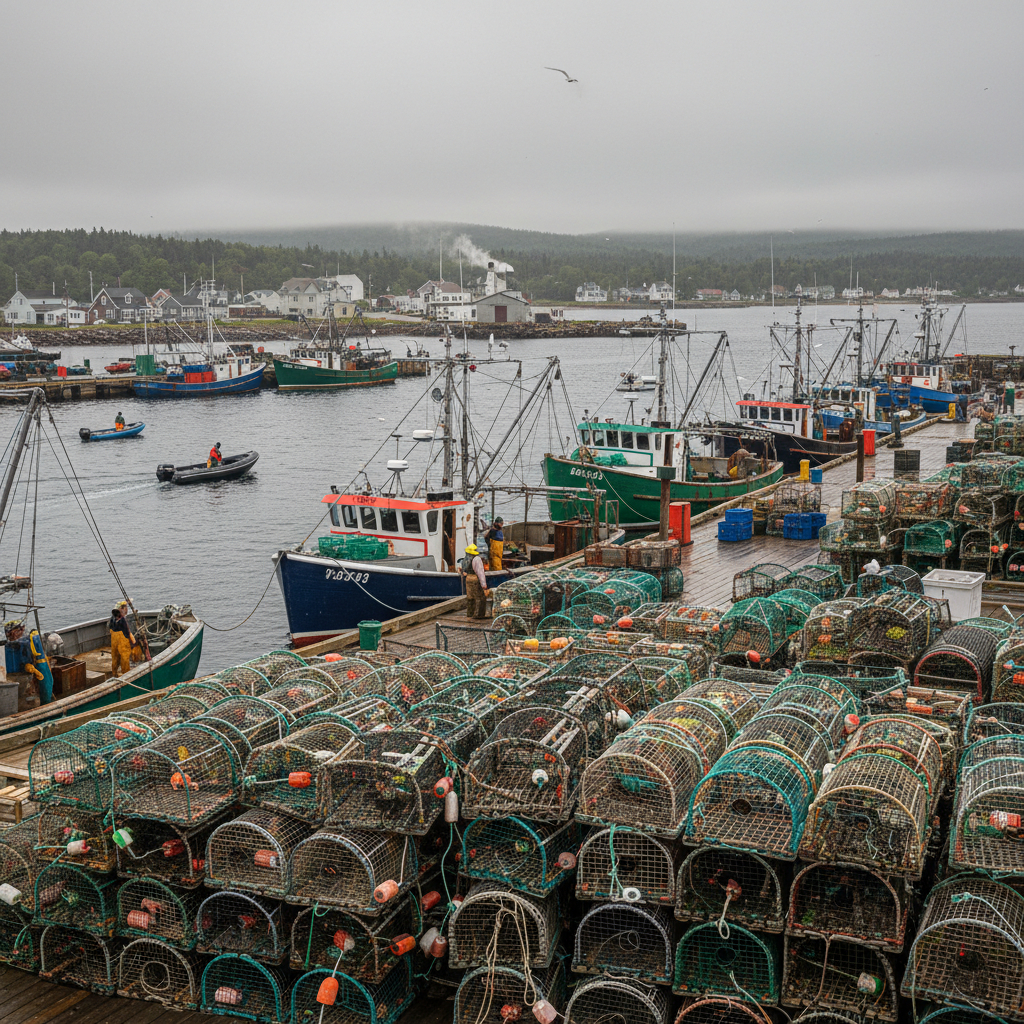
The fisheries sector remains the backbone of many Atlantic Canadian communities. Products like lobster, crab, scallops, and salmon not only define the region’s economy but also its cultural identity. China is one of the largest importers of Atlantic Canadian seafood, and retaliatory tariffs have significantly complicated market access. These tariffs increase costs for exporters and reduce competitiveness, putting pressure on prices and potentially leading to reduced revenues for fishers and processors.
The uncertainty has led some buyers in Asia to seek alternative sources, which could have long-term consequences for Atlantic Canada’s seafood export markets. This disruption not only threatens profits but also employment in coastal communities reliant on the industry.
Manufacturing and Shipbuilding
Atlantic Canada boasts a significant manufacturing sector, including food processing, shipbuilding, and machinery production. Many manufacturers depend on supply chains that involve Chinese components or rely on exports to both the U.S. and Asia. The heightened tariffs and potential delays in sourcing parts increase costs and complicate production schedules.
Shipbuilding, a critical industry in provinces like Nova Scotia and Newfoundland and Labrador, faces challenges as global demand shifts and tariffs influence material and equipment pricing. Export restrictions and supply chain interruptions may affect contract timelines and cost structures, putting pressure on profitability and investment decisions.
Energy and Clean Technology
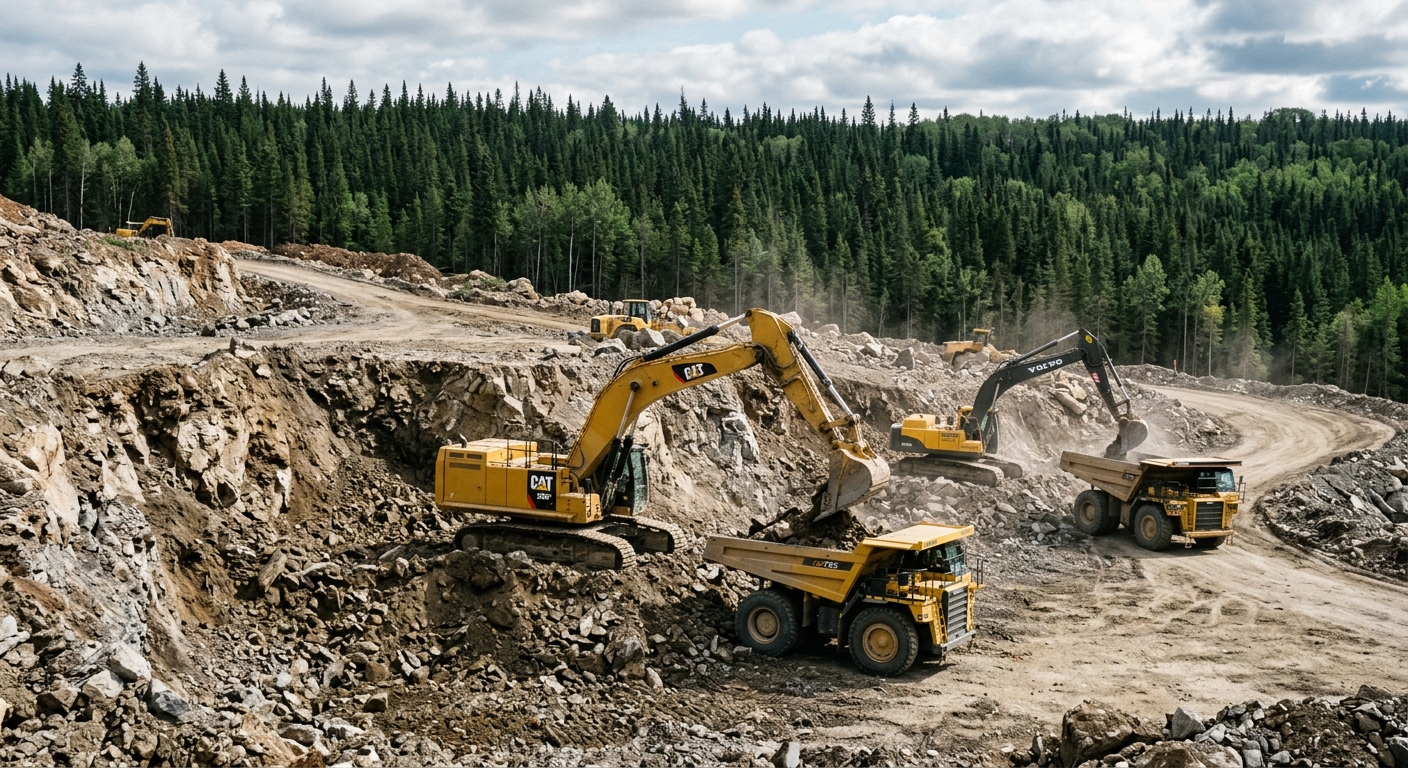
Atlantic Canada has positioned itself as a leader in renewable energy, with growing investments in wind, tidal, and solar power projects. However, China’s control over rare earth mineral exports—critical for manufacturing components like turbines, batteries, and electronic controllers—poses risks to these initiatives. Delays or increased costs could slow the region’s progress toward clean energy goals, affecting utility companies and private investors.
Moreover, the global economic uncertainty linked to the trade dispute has influenced commodity prices and energy investments, affecting the broader economic outlook in the region.
Strategies for Investors in Atlantic Canada
Given these uncertainties, investors in Atlantic Canada should adopt thoughtful strategies to mitigate risks and capitalize on opportunities:
- Diversify Across Sectors and Asset Classes
Investors should reduce concentration in sectors heavily exposed to China-U.S. trade tensions, such as export-reliant fisheries and manufacturing. Increasing allocations to domestic services, infrastructure, healthcare, and technology can offer portfolio stability. - Invest in Alternative Assets and Inflation Hedges
Commodities linked to natural resources, including forestry products and energy, remain important. Real estate investment trusts (REITs) and inflation-protected securities (e.g., TIPS) also provide valuable protection against market volatility and inflationary pressures. - Stay Informed on Trade Developments and Policy Responses
Keeping up to date with the latest trade negotiations, government support programs, and sector-specific news is crucial. This awareness enables timely portfolio adjustments and identification of new opportunities. - Focus on Innovation, Reshoring, and Local Supply Chains
Companies investing in clean energy technologies, reshoring manufacturing, or building stronger local supply chains are well-positioned for growth. Targeting such firms can yield long-term investment gains as markets adapt to evolving trade realities.
Resilience and Opportunity in a Changing Trade Landscape
The 2025 U.S.–China trade tensions underscore the complexities of Atlantic Canada’s position within global economic networks. While tariffs and market shifts create challenges, Atlantic Canada’s diversified economy and growing innovation sectors provide pathways for resilience.
Investors who embrace a balanced, informed approach—prioritizing diversification, local strengths, and emerging technologies—will be better equipped to navigate uncertainty and capitalize on growth potential.
Atlantic Canada’s future amid these tensions will depend on its ability to adapt to shifting trade flows, invest in sustainable industries, and foster economic innovation. Savvy investors will find opportunities in this evolving environment by staying engaged and flexible.