- calendar_today August 7, 2025
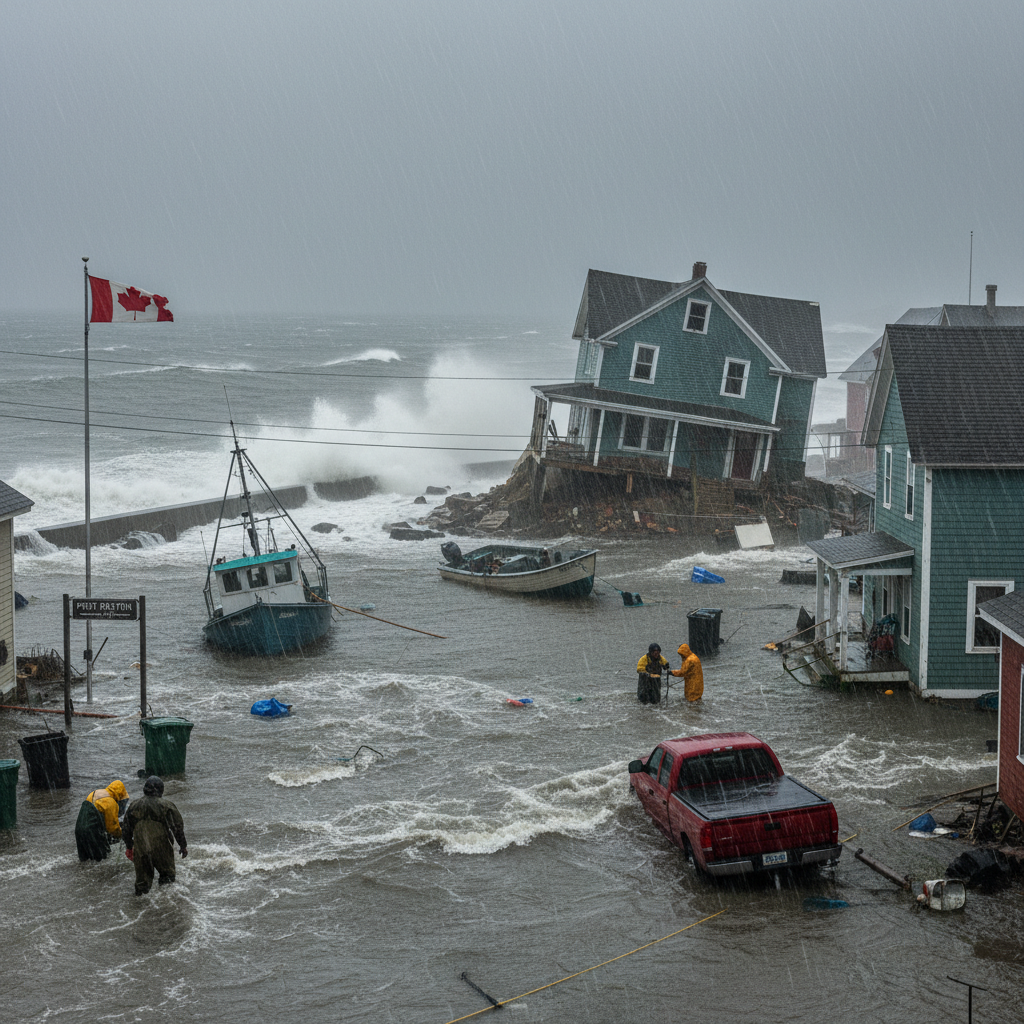
Atlantic Canada is confronting a surge in insurance premiums, a trend largely driven by a rise in weather-related damage. Increasingly frequent storms, floods, and wind events across provinces like Nova Scotia, New Brunswick, Prince Edward Island, and Newfoundland and Labrador have pushed insurers to reassess risk models, leading to significant pricing shifts in both home and auto coverage.
According to industry data, insurers in the region have been hit by escalating claims over the past decade, especially for water-related damage. What used to be seen as once-in-a-decade events—like the remnants of Hurricane Fiona—are becoming disturbingly routine. This intensification is having a direct effect on homeowners’ wallets.
Home Insurance Costs Climb Across the Maritimes
Premiums for home insurance have risen steadily in Atlantic Canada. Halifax, Saint John, and St. John’s have all seen upward trends in average rates, with increases tied to both higher claims volumes and elevated repair costs.
In many communities, sewer backups and basement flooding have become more prevalent, prompting insurers to revise what is considered standard coverage. Riders for overland water or sewage protection, once seen as optional, are now becoming essential, and often expensive.
Experts point to aging infrastructure, rising sea levels, and coastal vulnerabilities as persistent concerns. The Insurance Bureau of Canada (IBC) has repeatedly warned that the combination of outdated stormwater systems and harsher weather makes Atlantic cities increasingly susceptible to flood damage.
Auto Insurance Adjusts to Property Damage and Repair Pressures
Auto insurance in the region hasn’t been immune either. Beyond storm-related claims, costs are being driven up by inflation in auto parts, labor shortages, and increasingly complex vehicle technology.
In Newfoundland and Labrador, collision repair costs have risen sharply. Meanwhile, Nova Scotia regulators recently approved several insurer requests for rate increases, citing higher claim payouts and supply chain constraints. Some drivers are now paying 8% to 12% more than they were two years ago, even with unchanged driving records.
While provinces regulate auto rates more tightly than home coverage, insurers argue that rising input costs are leaving them little choice but to request hikes. In some cases, reduced competition among insurers in smaller Atlantic provinces has also led to less pricing flexibility for consumers.
Weather Resilience Becomes a Regional Insurance Priority
Insurers and government officials across Atlantic Canada are increasingly emphasizing the importance of climate resilience. Municipalities are being urged to invest in infrastructure upgrades, while homeowners are advised to flood-proof their properties where possible.
Programs such as the federal Disaster Financial Assistance Arrangements (DFAA) are being reviewed, and public-private partnerships are being explored to improve affordability and access to coverage in vulnerable areas.
Some insurers are also piloting incentives for resilience upgrades—such as backwater valve installations or wind-resistant roofing. But critics argue that without faster action, low-income households will be most affected, facing rising premiums or even denial of coverage.
Consumers Encouraged to Reevaluate Policies
As conditions evolve, financial advisors are urging homeowners and drivers to review their policies carefully. Coverage gaps, especially for flood or weather-specific perils, are becoming more common. Shopping around annually, bundling policies, and improving credit scores can still help mitigate cost increases.
Experts also recommend working with insurance brokers who understand regional risks. In Atlantic Canada, localized knowledge can mean the difference between being over-insured or dangerously underprepared.