
- calendar_today August 10, 2026
The federal government has unveiled a substantial initiative targeting the Canadian steel industry, with impactful implications for regions like Atlantic Canada. The newly announced Commodities Sectoral Support Program, revealed by Transport Minister Steven MacKinnon in Hamilton, provides critical financial relief to steel producers struggling under the weight of aggressive US steel tariffs.
Relief for Steel Producers Facing Tariffs
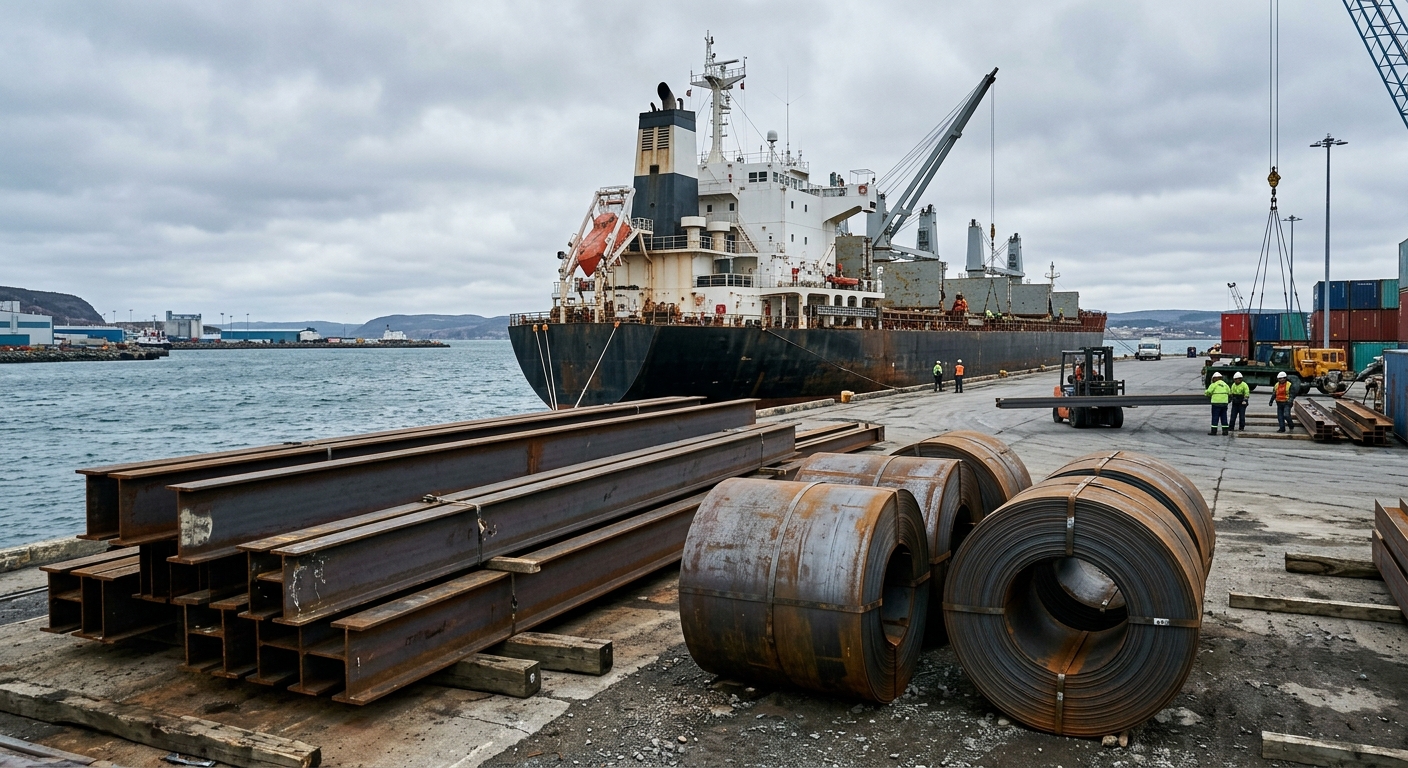
With recent us steel tariffs on Canadian metals soaring to between 10 and 50 percent, the domestic steel industry support measures are designed to help local manufacturers remain competitive. The program sets aside $100 million, subsidizing half the steel transportation costs when Canadian steel is shipped by rail or by sea across the country. Each producer stands to receive up to $50 million in rebates, with the potential for extensions if demand persists.
Making Interprovincial Transport More Affordable
For many canadian steel producers, the cost of moving product between provinces can significantly impact profitability, especially for those that rely on Atlantic Canada ports and their vital trade routes. By easing steel shipping costs and providing a steel rebate program, the government aims to make interprovincial steel transport more sustainable, ensuring the region’s industries remain viable and well-connected to national supply chains.
Industry Leaders Welcome Federal Action
Major stakeholders, such as ArcelorMittal Dofasco and the Chamber of Marine Commerce, responded positively to the news. These organizations highlight the importance of the program in strengthening the steel supply chain and enabling affordable logistics, especially given the external challenges posed by US policy. Representatives from the industry stress that uninterrupted, efficient transport is crucial not only for producers but for the broader Atlantic Canada manufacturing sector, which depends on timely steel deliveries.
Addressing Broader Economic and Policy Impacts
While the federal government has touted the program’s benefits, it has also faced criticism from political opponents who argue for broader policy reforms. Conservative Leader Pierre Poilievre pointed to federal carbon tax policies as a source of increased transportation costs for steel companies. Despite this, Ottawa maintains that direct financial support through this steel subsidies program is vital in helping domestic producers navigate volatile global markets and increasing protectionism abroad.
Supporting Long-Term Industry Competitiveness
With Atlantic Canada playing a strategic role in the national steel logistics network, the program underscores a broader commitment to economic development in the region. By lowering barriers for steel producers canada to move materials across provinces, the federal government is not only addressing short-term financial challenges but also positioning the canadian steel industry for renewed growth and resilience. The initiative aligns with the needs of local industries striving to maintain a robust and sustainable steel supply chain.
Regional Opportunities for Atlantic Canada
As the one-year subsidy begins to take effect, observers in Atlantic Canada are watching closely to assess the impact on local employment and industrial activity. Given the importance of steel to several key sectors in the region, enhanced affordability in steel transportation and improved competitiveness for local firms may bring widespread economic benefits. The future success of the canadian steel industry will rely in part on continued collaboration between governments, producers, and the transportation sector.
Looking Ahead
The Commodities Sectoral Support Program represents a proactive response to ongoing challenges faced by canadian steel producers and demonstrates the importance of targeted government intervention. With support from both industry leaders and regional stakeholders, there is cautious optimism that this move will secure the future of steel production, logistics, and employment in Atlantic Canada and beyond.