- calendar_today August 21, 2025
What iZombie Got Right About the Zombie Genre
It’s hard to find a pop cultural medium where zombies aren’t a force to be reckoned with, but the 2010s were especially strong in the undead’s favor. There were billion-dollar juggernauts like The Walking Dead (2010–2022), high-quality revivals like Syfy’s 100 (2018–2019), and bizarre experiments like Netflix’s horror-comedy The Santa Clarita Diet (2017–2018). A couple of seasons into that decade, another non-traditional zombie series began on The CW: iZombie, a supernatural procedural dramedy that lasted five seasons.
It wasn’t a breakout hit like The Walking Dead or RuPaul’s Drag Race, but it was a critical darling with a cult following that adored its cheeky humor, lovable characters, and unique mixture of weekly murder mysteries with a serialized zombie-verse.
The show was a loose adaptation of the Vertigo comic of the same name from writer Chris Roberson and artist Michael Allred. In the comics, zombie Gwen Dylan is a gravedigger in Eugene, Oregon. To keep her memories and mental acuity, she eats a brain every 30 days. Her closest companions are a 1960s ghost named Esther and a were-terrier named Scott “Spot,” with whom she combats supernatural evils like vampires and mummies. The television adaptation, created by Rob Thomas and Diane Ruggiero-Wright, retained that broad outline but reinvented nearly everything else: Gwen became the Seattle-based Liv Moore, Allred’s influence was reduced to the comic-book style opening credits (accompanied by a cover of “Stop, I’m Already Dead” by Deadboy & The Elephant Men).
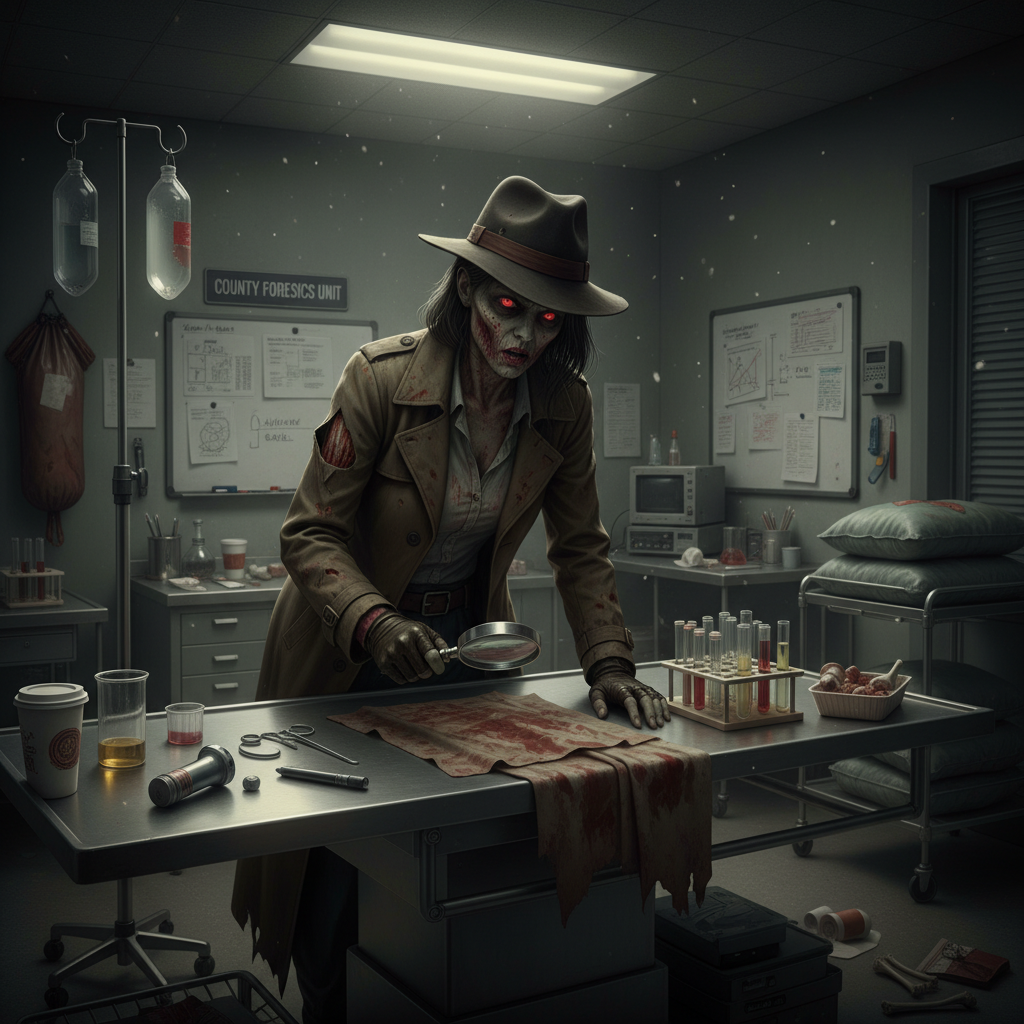
Liv, played by Rose McIver, was an ambitious medical student until a boat party ended in massacre: someone mixed the energy drink Max Rager with a bad batch of the designer drug Utopium, and zombies swarmed. Scratched by a zombie as she scrambled into a lifeboat, Liv awoke in a body bag on the beach, undead, asphyxiating, and with a ferocious hunger for brains. She ended things with her fiancé, Major (Robert Buckley), to protect him, drifted away from her best friend, Peyton (Aly Michalka), and took a job at the medical examiner’s office to make her brain-eating more… routine.
Liv’s boss, Ravi Chakrabarti (Rahul Kohli), discovered the secret, but instead of getting mad or afraid, he became intrigued and promised to research a cure: he had been fired from the CDC years before for predicting the kind of virus that turned Liv. Liv also started working with Detective Clive Babineaux (Malcolm Goodwin), who was convinced that she was psychic. The truth was that Liv received flashes of the victim’s memories (and some personality quirks) when she ate a brain: from helpful language skills to crippling phobias, there was usually a murderer’s motive hidden among the mental jumble, which Liv had to untangle to prevent herself from being investigated for murder.
Brains, Baddies, and the Characters That Stuck with Viewers
In any good drama, there has to be a good villain. For iZombie, that was Blaine DeBeers (David Anders), the man who became a zombie and infected Liv during the boat party. A dealer of the tainted Utopium, Blaine became a brain trafficker, making the rich eat his tainted product to make them docile addicts and customers. While his voice work, smooth mannerisms, and survivor’s guilt made him an antihero (as much as a villain can be one), he was also the catalyst for nearly all of the season-long plots.
Like the hero, the humor came from the details: Major’s last name was “Lillywhite,” Blaine’s season-one butcher shop was “Meat Cute,” Ravi and Major got a dog named “Minor,” and one zombie bar was called “The Scratching Post.” Viewers also relished the many ways Liv could turn brain organs into stir-fries, pizza roll mixes, hush puppies, and more, or Blaine’s preparations like gnocchi stuffed with medulla oblongata.
The series also toyed with the idea of romance. Liv’s relationship with Major was the central focus, but viewers were split on that romance and connected more to her season-one relationship with British musician Lowell Tracey (Bradley James), whose zombie diagnosis ended his performance career. They bonded over the secret, and he and Ravi had a good camaraderie, but Lowell was killed (executed by a mobster he took down, but still) during a major fight with Blaine. Fans were livid.
But perhaps the most enjoyable part of the show, season after season, was Liv’s buffet of personalities and quirks depending on the victim whose brain she ingested. Her food-inspired personalities had range and depth that McIver mined for both comedy and drama: from sadistic dominatrix to crabby curmudgeon to LARP-loving professor to bullied middle school basketball coach, Liv shifted from role to role from one scene to the next. Other uses of the brain memories were sometimes just for fun, like when Lowell ate a gay man’s brain before one of his dates with Liv, or Liv, Blaine, and Don E. bonded in conspiracy-theory bonhomie after their brains.
The series lost some of its narrative focus over time, and the finale was somewhat rushed and unsatisfying, but its personality and McIver’s strong work made it easy to overlook and appreciate the show for its more high-concept missteps. The brain-starter showed that in a zombie-saturated market, there was always room for one more crime-solving comedy.