- calendar_today August 5, 2025
The Future of Learning in Atlantic Canada: Major Shifts Transforming Education in 2025
The future of education is unfolding before our eyes, and 2025 is set to be a game-changer. From AI-driven classrooms to immersive virtual learning, how we teach and learn is evolving unprecedentedly. Traditional models give way to cutting-edge innovations that promise smarter, faster, and more personalized learning experiences.
But that’s just the beginning. Schools and institutions across Atlantic Canada—from Halifax to St. John’s, Charlottetown, and Fredericton—are embracing hybrid learning, rethinking mental health support, and equipping students with future-proof skills beyond textbooks.
As technology and education collide, one thing is clear: the classroom of the future is here, and it’s nothing like we’ve seen before.
This report explores the biggest education trends defining 2025—reshaping learning and revolutionizing education across Atlantic Canada.
1. AI and Automation: The Rise of Smart Learning
AI is no longer an emerging technology in education—it’s an indispensable tool reshaping how students learn, and schools operate.
- Personalized Learning – AI-driven platforms analyze student performance and adapt lessons in real time.
- Smart Tutoring Systems – Virtual tutors provide instant feedback, making complex subjects more accessible.
- Automated Administration – AI streamlines grading, scheduling, and attendance tracking, reducing the burden on educators.
2. Hybrid & Online Learning: The New Standard
Gone are the days when online learning was just a backup plan—hybrid education is now the norm. The flexibility of combining in-person and digital learning has made education more inclusive and accessible across Atlantic Canada, including rural and coastal communities.
- Virtual Classrooms – Platforms like Google Classroom and Zoom continue to facilitate global learning.
- On-Demand Education – Self-paced courses allow students to learn anytime, anywhere.
- Microlearning Modules – Short, interactive lessons enhance engagement and retention.
3. Future-Ready Skills: Shaping Tomorrow’s Workforce
Academic knowledge alone isn’t enough—students need real-world skills to thrive in an ever-evolving job market. Schools across Atlantic Canada are prioritizing the following:
- Critical Thinking & Problem-Solving – Preparing students to tackle real-world challenges.
- Digital & Tech Literacy – Coding, data analysis, and cybersecurity are now core subjects.
- Marine & Sustainable Industries – Education tailored to Atlantic Canada’s key industries, such as fisheries, renewable energy, and ocean sciences.
4. EdTech & Gamification: Learning That Feels Like Play
The EdTech market is transforming education through interactive, gamified experiences.
- Game-Based Learning – Apps like Duolingo and Kahoot! Make lessons more engaging and interactive.
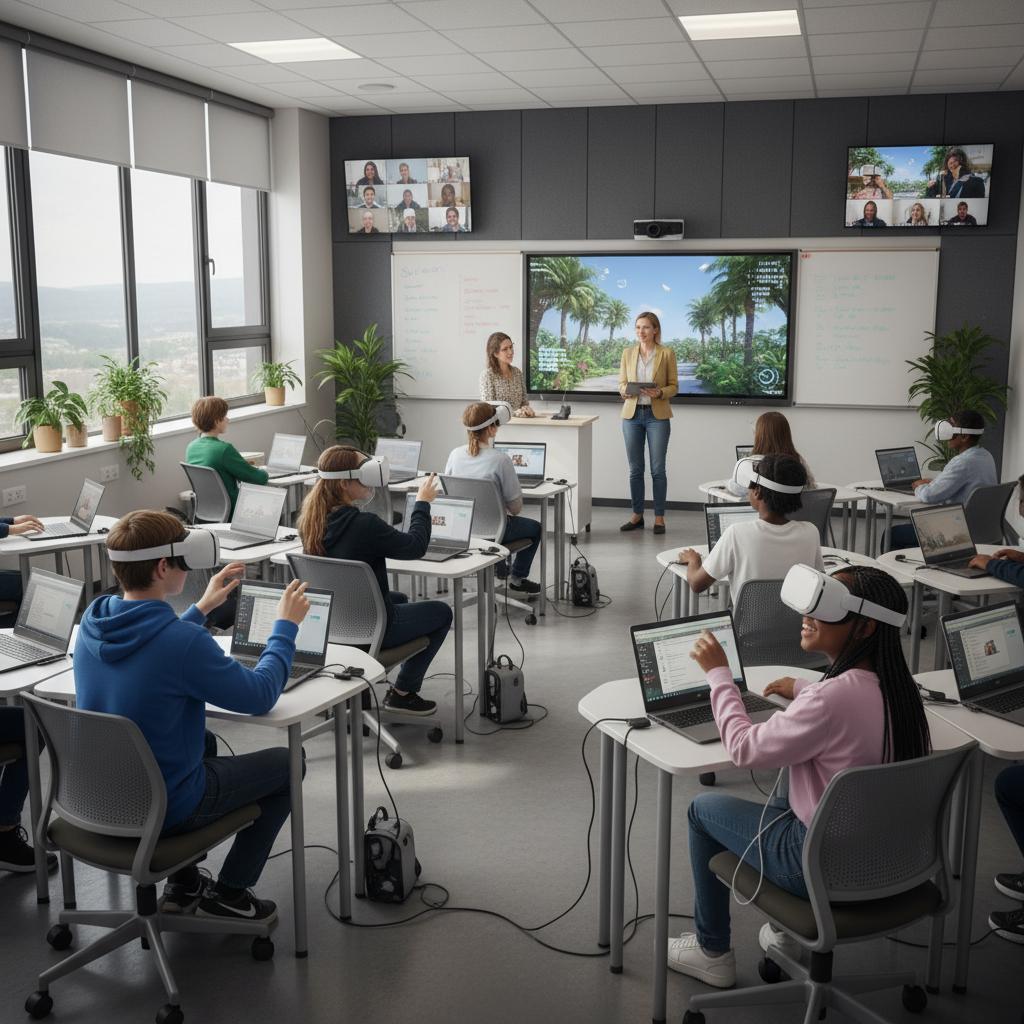
- Virtual & Augmented Reality (VR/AR) – Immersive simulations bring history, science, and math to life.
- Blockchain Credentials – Secure, digital academic records are replacing traditional transcripts.
5. Mental Health & Well-Being: A Core Priority
With increasing academic pressures, mental health support is fundamental to education. Schools across Atlantic Canada are focusing on:
- Mindfulness & Stress Management – Meditation and relaxation programs help students stay balanced.
- Counseling & Peer Support – More institutions offer mental health services on campus and online.
- Flexible Learning Paths – Customized schedules help reduce burnout and stress.
6. Coastal & Environmental Education: Preparing for a Sustainable Future
Education in Atlantic Canada is deeply connected to its coastal environment. Schools are leading sustainability efforts by:
- Climate & Marine Studies – Programs focusing on ocean conservation and climate change.
- Green Campuses – Schools investing in solar energy, waste reduction, and sustainability initiatives.
- Community-Led Environmental Projects – Encouraging students to engage in hands-on conservation efforts.
The Future of Learning: A Revolution in Motion
Education in 2025 is about more than just knowledge—empowering students, embracing technology, and preparing for the future.
With AI-driven learning, hybrid education, future-ready skills, and a renewed focus on well-being and sustainability, the next generation of students in Atlantic Canada will be more adaptable, skilled, and prepared than ever.
Are we ready for this revolution? The future of education isn’t coming—it’s already here.