
- calendar_today July 9, 2026
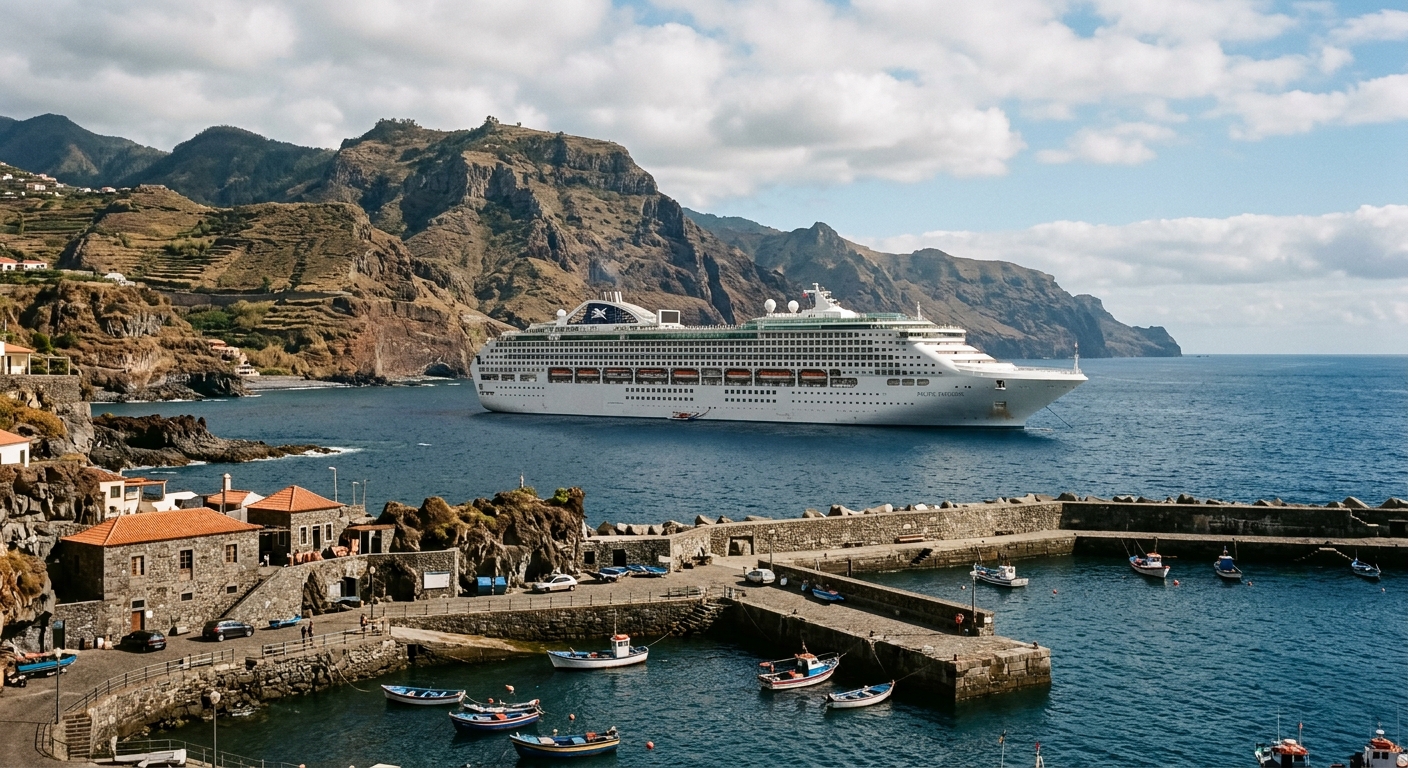
The Scarlet Lady cruise, a voyage with deep resonance for Atlantic Canada’s travel community, has confronted significant disruptions to its cruise itinerary after being denied entry to multiple Mediterranean ports. Chartered by LGBTQ travel company Atlantis Events, the ship’s recent journey has drawn attention to longstanding issues of travel discrimination and cultural barriers faced by LGBTQ travelers worldwide.
Port Denials Prompt Major Rerouting
The Scarlet Lady, operated by Virgin Voyages, set out on a highly anticipated mediterranean cruise with close to 1,900 passengers—including celebrated Broadway performer Patti LuPone—and was initially scheduled to visit Kuşadası and Istanbul. The Turkish government, however, abruptly issued a turkey refusal, stating that the guests’ lifestyles did not align with the nation’s values. Egypt then mirrored this action: following Turkey’s cancellation, Egypt agreed to allow the ship to call at Alexandria, only to issue its own egypt refusal without providing a public explanation just hours prior to the ship’s expected arrival.
LGBTQ Travel Confronts International Barriers
This sequence of port denial incidents underscores the ongoing struggles associated with lgbtq travel in certain international regions. While many destinations have become more welcoming, geopolitical and cultural circumstances continue to affect travel possibilities. The abrupt policy changes by both Turkey and Egypt left passengers—many from Atlantic Canada and beyond—forced to significantly alter their holiday plans.
New Itinerary Brings Unexpected Destinations
With initial calls at Turkey and then Alexandria no longer possible, the Scarlet Lady cruise shifted its route entirely. Passengers are now exploring alternative ports including Santorini and Chania in Greece; Kotor in Montenegro; as well as the historic Croatian cities of Dubrovnik and Zadar. The cruise will finish in Trieste, Italy, salvaging an experience rich in Mediterranean culture but shadowed by the administrative hurdles encountered.
Atlantis Events Speaks Out on Discrimination
The CEO of Atlantis Events publicly condemned the Turkish authorities’ actions, labeling the ban as unprecedented and discriminatory. According to company statements, selecting travelers based on their identity challenges the universal right to cross-border movement. These recent setbacks expose the urgent need for dialogue regarding equality, especially for LGBTQ travel groups operating in regions less familiar with such inclusivity.
Patti LuPone and Guest Responses
Among the passengers, the presence of Patti LuPone brought additional media attention. LuPone criticized the port bans and, like many onboard, expressed disappointment while underscoring the resilience demonstrated by the LGBTQ cruise community. Despite itinerary upheavals, travelers have rallied, supporting one another and making the most of the new destinations now featured on the cruise.
Implications for Atlantic Canada’s LGBTQ Travelers
The Scarlet Lady cruise’s experiences serve as a case study for Atlantic Canadian residents planning voyages with diverse international stops. With companies like Virgin Voyages and Atlantis Events at the forefront, the travel sector continues to confront and challenge discriminatory practices that arise in unexpected locations. Analysts warn that vigilance and flexibility remain critical for LGBTQ travelers, particularly those setting sail on mediterranean cruises or planning visits to regions where policies remain in flux.
Addressing Broader Travel Discrimination
Advocates hope that the global response to such incidents will encourage a shift toward more inclusive travel norms. For those in Atlantic Canada, this episode with the Scarlet Lady cruise highlights not only ongoing barriers but also the resolve of partners and operators supporting safe passage for all. As the ship concludes its journey in Italy, its story serves as a reminder of the progress yet to be made on the global stage.