
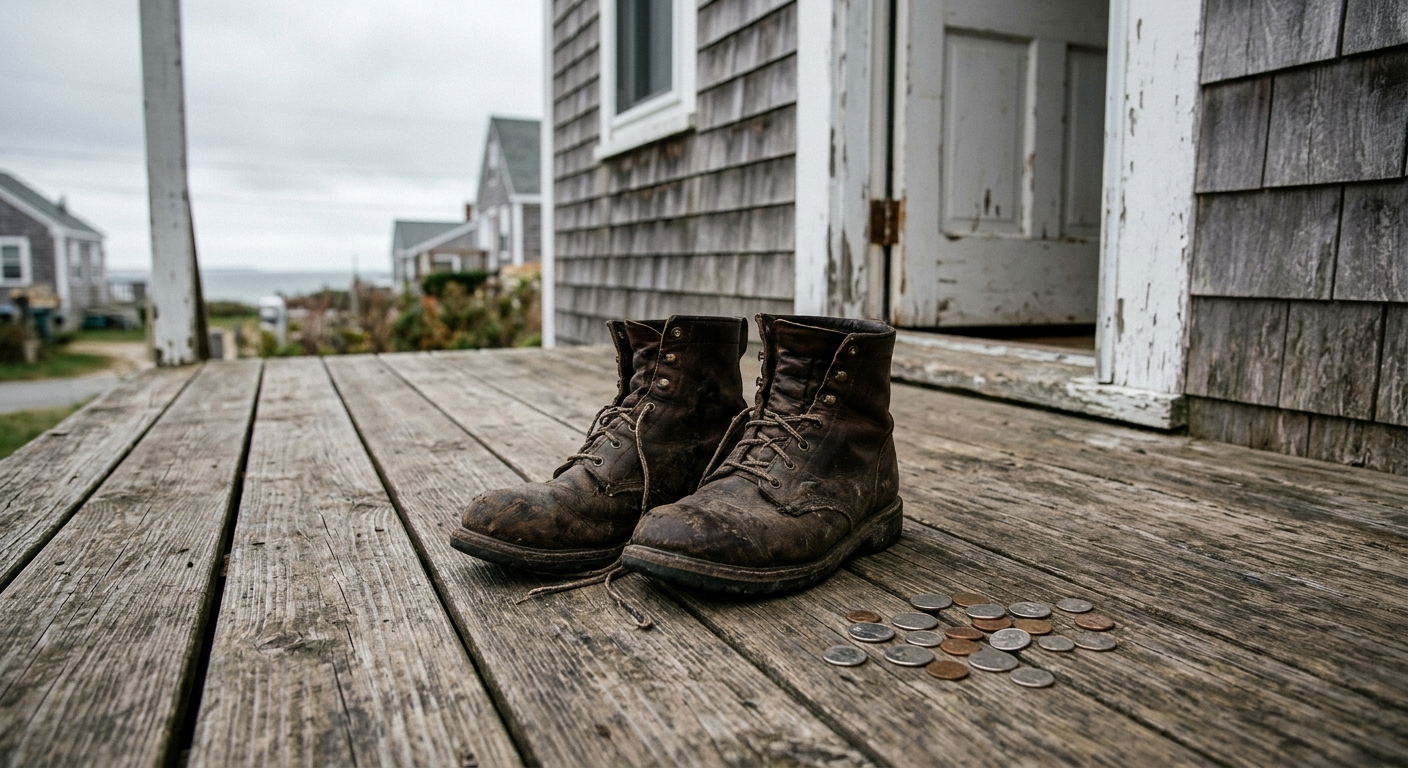
AI-generated illustration; not a photograph of the reported event.
- calendar_today November 9, 2026
Report Reveals Living Wage Gap in Atlantic Canada
About half of workers in Nova Scotia and Newfoundland and Labrador earn less than the living wage according to a new report released by the Canadian Centre for Policy Alternatives (CCPA). The report, released Monday, highlights the growing challenge of income adequacy and rising costs in the Atlantic provinces.
Defining the Living Wage
The CCPA's report defines a living wage as the hourly amount a household needs to earn to cover basic annual expenses. This figure is intended to reflect what is necessary for workers and their families to meet essential needs such as housing, food, transportation, and clothing, without government assistance.
Rising Living Wage Rates in 2026
The report notes that the average income required to meet a living wage standard rose in 2026 across Prince Edward Island, Nova Scotia, and Newfoundland and Labrador. The sharpest increase took place in northern mainland Nova Scotia, mainly because of escalating rent prices. For the first time, the living wage in Labrador and Newfoundland’s northern peninsula ($30.50 per hour) surpassed the living wage in Halifax.
Key Factors Behind the Increase
The report cites several factors contributing to higher living wages, such as rising housing costs, transportation expenses, and gas prices. In addition, changes in how Statistics Canada calculates the official poverty line and estimates the cost of required goods and services—including food, clothing, and transportation—played a role in increasing the wage needed to cover basic living expenses.
Policy Recommendations
Christine Saulnier, co-author of the report, emphasized the importance of including the living wage as part of public policy discussions. She highlighted that minimum wage rates in Nova Scotia, Newfoundland and Labrador, and Prince Edward Island remain below the calculated living wage. "The living wage should be part of that discussion and evidence base used to determine the minimum wage," Saulnier said in an interview.
New Brunswick Not Included in the Report
The living wage calculation for New Brunswick was not included in this report, as the Human Development Council is responsible for that province's data and analysis.
This report by The Canadian Press was first published on November 9, 2026.
Related coverage
Source: halifax.citynews.ca.