
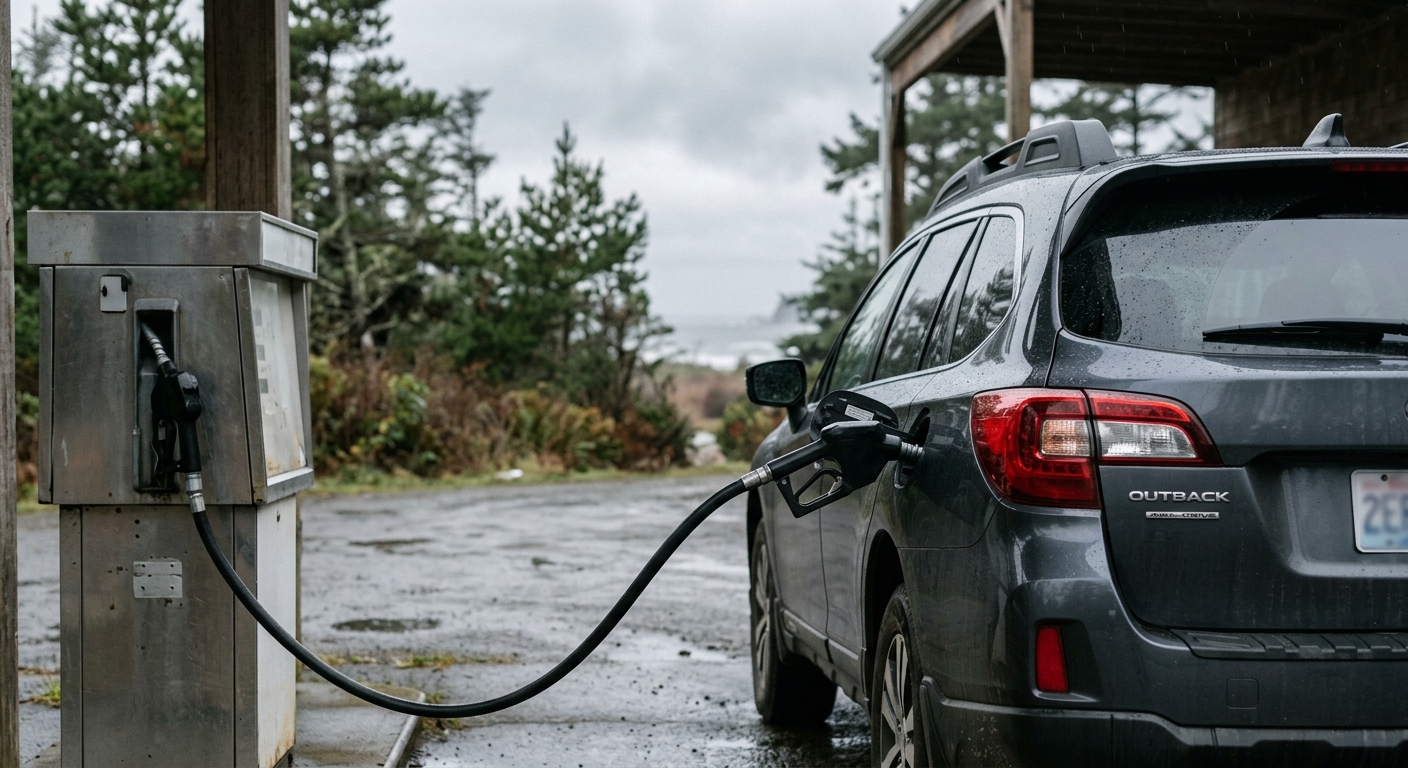
AI-generated illustration; not a photograph of the reported event.
- calendar_today October 9, 2026
Diesel Prices Decrease Slightly in Nova Scotia
Nova Scotia has seen a modest decrease in diesel prices this week, dropping by 5 cents according to data from CityNews’ gas price page. Despite this reduction, diesel prices remain significantly higher than usual, continuing a trend driven by global instability.
Fuel Prices Driven Higher by U.S.-Iran Conflict
The ongoing war between the United States and Iran has affected fuel markets around the world, including in Nova Scotia. The conflict, which escalated in late February, caused a marked increase in both diesel and gasoline prices. Diesel in Nova Scotia is now approaching $3.00 per litre, a notable jump from the January high of 181.6 cents per litre. This steep increase began when war broke out and has kept prices elevated ever since.
Impact of the Strait of Hormuz Closure
The closure of the Strait of Hormuz, a pivotal waterway for global oil shipments, has compounded the rise in fuel prices. Both diesel and gasoline costs surged as a result, with gas prices in Nova Scotia nearing $2.00 per litre in September. For comparison, the average price for gasoline in the province was 136.8 cents per litre in January.
Energy Board Adjusts Prices, But Relief Is Limited
The Nova Scotia Energy Board has issued a decrease in diesel prices this week to 260.5 cents per litre. While this marks a welcome change, it remains far higher than January’s low of 156.7 cents per litre. Gasoline prices have also edged downward, reaching 192.9 cents per litre on Friday. However, these adjustments have not brought prices close to their pre-conflict levels, and fuel price inflation remains a major concern.
Federal Fuel Tax Pause and Its Effect on Families
In an effort to provide relief from rising fuel costs, the federal government suspended the federal excise tax on gasoline, diesel, and jet fuel beginning in April. While the pause was initially scheduled to end in September, it has since been extended into 2027. Parliamentary Budget Officer Annette Ryan reported that the average family will save $276 over the one-year duration of the pause. Savings differ by income level, with higher-income families benefiting more: the highest income quintile is expected to save around $468, while the lowest quintile will see about $132 in tax relief.
Looking Ahead: Continued Volatility in Fuel Prices
With half the excise tax set to be reinstated on February 1 and the full tax returning on April 1, consumers should brace for the possibility of renewed increases in fuel prices in 2027. The current situation reflects the ongoing impact of international conflicts and supply chain disruptions, leaving Nova Scotians and other Canadians facing ongoing fuel cost increases.
Source: halifax.citynews.ca.