
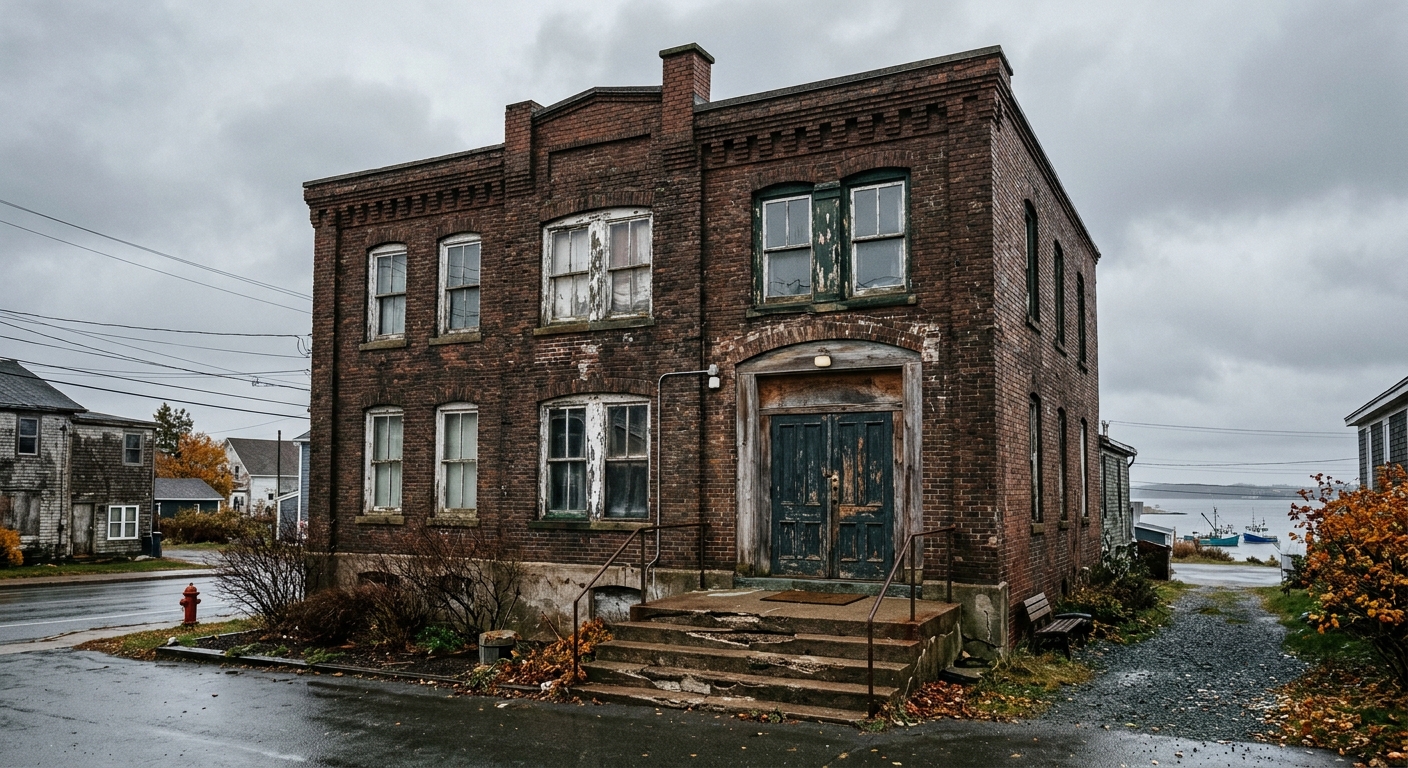
AI-generated illustration; not a photograph of the reported event.
- calendar_today October 22, 2026
Audit Uncovers Oversight Issues in Halifax Municipal Facilities
A recent audit has found that Halifax is not adequately managing its municipal facilities and equipment, a gap that could potentially lead to safety issues and unnecessary spending of public funds. The findings were presented to Halifax's audit and finance committee, raising questions about the city's facility management practices.
Half of Facilities Not Assessed in Ten Years or More
The facility management report, authored by Halifax's auditor general, revealed significant deficiencies in the city's approach to assessing its properties. Out of 359 municipal buildings, 96 had never been assessed, including 43 that are over 25 years old. Additionally, another 91 buildings had not undergone assessment in the past decade. This lack of facility assessment points to critical gaps in oversight and planning.
Informal Practices and Data Gaps Undermine Decision-Making
The audit highlighted that the city's property, fleet, and environment department relies largely on informal facility management practices and does not have an adequate, structured plan in place. The report noted that management often lacks key data about the condition of both facilities and equipment, making it challenging to track delayed maintenance and inform council decision-making. The condition of the majority of Halifax-owned buildings and equipment remains undocumented.
Examples of Oversights and Inefficiencies
The report included several examples of the real-world consequences resulting from this lack of oversight. In one instance, an emergency repair expected to be completed in 30 days actually took 10 months because staff forgot to notify the contractor. Another issue saw maintenance scheduled for a sprinkler system that did not exist. Furthermore, warranty information was missing for more than 90 percent of equipment, increasing the likelihood that public money was spent on repairs that should have been covered by vendors.
Risks and the Financial Impact
According to auditor general Andrew Atherton, the absence of consistent facility assessments means that significant building defects may go undetected, leading to potential safety concerns and unexpected replacement costs. While Atherton noted it is difficult to quantify the exact financial impact, the inability to track the condition of assets makes it “very hard” to make informed decisions about building maintenance and investment.
Steps Toward Improvement and Accepted Recommendations
The audit covered documentation from April 1, 2023, to March 31, 2025, and indicated that steps are being taken to address these concerns. City staff have hired a consultant to assess all municipal facilities over the next five years, with the first round reportedly completed in July. The municipality has accepted all 12 audit recommendations, which focus on improving plans and policies, enhancing oversight, and collecting better data specific to municipal facilities assessment and equipment management.
Halifax's chief administrative officer, Marnie Cluckie, said that implementing these recommendations is crucial for reliable service delivery, safety, and responsible public spending. The city’s management response also noted plans to request new staff roles in the upcoming budget to help carry out these improvements. Atherton emphasized the importance of council’s role in evaluating these needs and ensuring oversight of public resources.
Source: cbc.ca.