- calendar_today August 14, 2025
In Halifax, where the Atlantic laps against historic shipyards, a new tide is rolling in—powered not by wind or water, but by machine learning models and Nvidia GPUs.
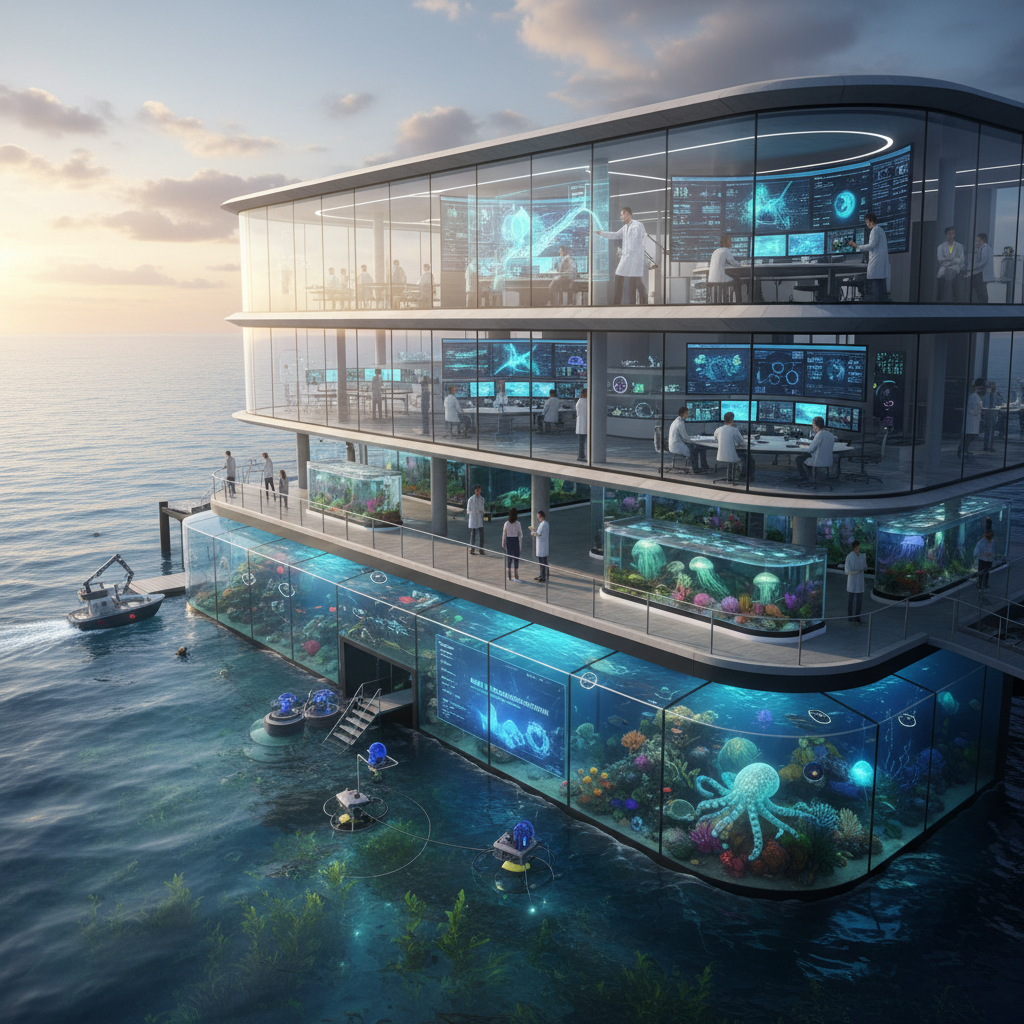
The city’s thriving ocean tech ecosystem is using AI to monitor marine traffic, detect pollution, and predict climate shifts. Much of this work is happening at the Centre for Ocean Ventures & Entrepreneurship (COVE), where startups and researchers collaborate on real-time solutions driven by Nvidia’s cutting-edge hardware.
“AI isn’t some Silicon Valley abstraction here,” said a marine researcher based at COVE. “We use Nvidia-powered models to track everything from whale migrations to rogue oil spills.”
Aquaculture’s Quiet AI Revolution in Newfoundland
Further east in Newfoundland and Labrador, AI is transforming the region’s most vital industry: aquaculture.
Fish farms, once dependent on manual labour and local knowledge, are turning to Nvidia-based vision systems and deep learning algorithms. Cameras below water now detect early signs of disease or overfeeding, helping operators optimize feed ratios and reduce waste.
Startups like Aquaai and XpertSea, though headquartered elsewhere, have inspired similar models in Atlantic Canada. These local innovations rely on compact AI models trained on Nvidia Jetson modules—hardware small enough to mount on buoys, but powerful enough to process video in real time.
“Without Nvidia’s architecture, we’d still be making educated guesses,” said one fish farm technician from Clarenville. “Now we have data to back our decisions—and it’s saving us real money.”
AI-Enabled Rural Healthcare in New Brunswick
In New Brunswick, the AI story isn’t about the sea—it’s about the people inland.
Facing long-standing challenges with doctor shortages and vast rural distances, the province is testing Nvidia-powered AI tools for telehealth diagnostics, predictive patient outcomes, and even mental health triaging.
One pilot project out of Fredericton integrates Nvidia GPUs with EMR systems to scan imaging reports and flag anomalies, particularly in areas like lung disease and skin cancer. These systems aren’t replacing doctors—they’re triaging the waitlists.
“AI isn’t making decisions for us,” said a provincial health IT coordinator. “It’s helping us spot what we might otherwise miss or delay.”
PEI: Small Island, Big AI Vision
Prince Edward Island, Canada’s smallest province, is no stranger to punching above its weight.
Though often seen as agricultural and pastoral, PEI is tapping Nvidia’s AI stack to manage farm data, crop forecasting, and even bee population monitoring. The PEI BioAlliance has started backing agri-bio ventures using AI to analyze soil quality and climate fluctuations.
AI here is highly targeted: GPU-equipped edge devices collect and analyse micro-climate data, which then feeds into centralised training models on Nvidia cloud partners. This gives small farmers precision tools once only available to multinationals.
The result? PEI’s farms are producing more with less—less water, fewer fertilizers, and lower environmental impact.
Challenges: Bandwidth, Talent, and Scepticism
Despite real progress, Atlantic Canada faces roadblocks.
Internet infrastructure is still weak in remote communities, stalling real-time AI applications. Talent retention is another issue—many skilled AI grads from Dalhousie or Memorial University leave for Toronto or U.S. tech hubs.
And there’s skepticism too.
“People here don’t jump on trends,” said one startup founder in Charlottetown. “They want to see results. Nvidia helps with that, because it’s real-time, visual, and measurable—but the learning curve is steep.”
Several startups interviewed mentioned the lack of GPU credits or localized Nvidia support programs, unlike those in Ontario or B.C.
A Region Rethinking Innovation
In 2025, while Nvidia dominates stock market headlines and Silicon Valley, Atlantic Canada tells a different story. It’s one of resilience, pragmatism, and bottom-up innovation.
Whether it’s fish farms in Newfoundland, hospitals in Moncton, or buoys off the coast of Nova Scotia, AI—specifically Nvidia’s ecosystem—is quietly embedding itself in the fabric of Atlantic life.
And although this part of Canada is often left out of the national innovation conversation, its ability to solve practical problems with AI may turn out to be its greatest advantage.