- calendar_today August 21, 2025
Atlantic Canada’s Untold Stories Are Ready for Their Spotlight
Hollywood biopic treatment. These aren’t just tales—they’re part of our soul.
Keywords:
Hollywood biopics, Atlantic Canada icons, Viola Desmond movie, Maritime storytelling, East Coast legends
We’ve Always Been Storytellers
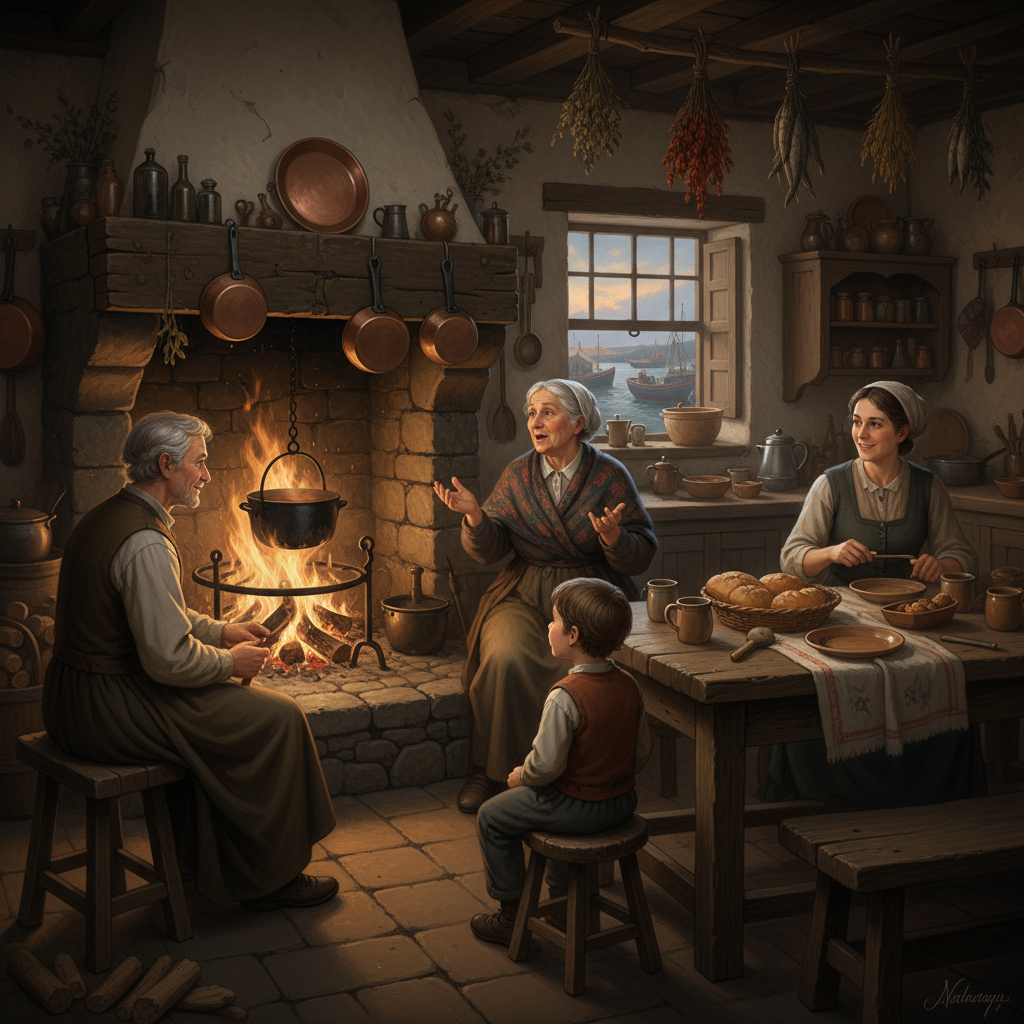
In Atlantic Canada, we don’t need a camera to tell a story. We’ve been doing it for generations—around kitchen tables in Cape Breton, over pints in St. John’s, beside crackling fires in tiny fishing villages along the coast.
The stories here are old, raw, and real. They’re soaked in salt water and stitched with stubborn pride. We pass them down not because they’re flashy, but because they mean something.
So when you look at this massive Hollywood biopic wave washing over the industry, it makes you wonder… why haven’t our stories been part of it?
Viola Desmond Deserves More Than a Bill
You see her face on the $10 bill, sure—but how many people truly know Viola Desmond’s story?
In 1946, she walked into a movie theatre in New Glasgow, Nova Scotia, and refused to move from the “whites-only” section. For that, she was dragged out, arrested, and fined. It took decades for Canada to acknowledge what really happened—and we’re still reckoning with it.
But here’s the thing: Viola wasn’t just brave. She was scared, human, and alone. She didn’t wake up planning to become a civil rights icon. She just wanted to be treated like everyone else.
That’s the kind of quiet courage Hollywood biopics rarely get right. But if they did—if they gave her story the space, nuance, and heart it deserves—it would change people. Not just how they see history, but how they see themselves.
Our People Don’t Brag—But Maybe They Should
Atlantic Canadians have this way of brushing things off. “Oh, that? Nothin’ to it.” But behind that modest shrug is usually a lifetime of grit. Take:
- Rita MacNeil, who shattered stereotypes and sold millions of records with a voice like warm molasses
- Stompin’ Tom Connors, who sang the country’s working soul into every smoky barroom and hockey arena
- Maud Lewis, whose tiny house and joyful paintings hid a life of pain and poverty—and fierce determination
These aren’t made-up characters. They’re ours. They lived down the road. You passed them in the grocery store. And their stories? Pure cinema.
The Maritimes Have a Mood
There’s a rhythm to life here. Slow but steady. The kind of pace where you feel things. You grieve properly. You laugh hard. You help your neighbour. You stay up way too late telling the same story in a slightly better way.
Maritime storytelling isn’t about fame—it’s about feelings.
A film set here isn’t just about what happens. It’s about why it mattered. It’s the wind blowing through lobster traps. The empty chair at the kitchen table. The kid running barefoot on a gravel road. You can smell the salt and hear the silence.
We Don’t Need to Compete with Flash
We’re not trying to be New York or LA. But let’s be honest—we’ve got better stories.
We’ve got music written on bar napkins. Love stories that span coastlines. Losses that still echo through communities. And hope. Always hope.
These aren’t fairy tales. They’re real lives—lived fully, sometimes painfully, always honestly. And when told right, they don’t just entertain. They heal.
What Are We Waiting For?
The world’s tuning into Hollywood biopics like never before. But what about the East Coast? What about the voices that cracked but kept singing? The hands that kept painting, writing, raising, building—when no one was watching?
It’s time.
Time to show the world that Atlantic Canada icons aren’t just part of history books. They’re part of the human experience. The kind that lingers long after the credits roll.
So maybe we start writing. Or filming. Or just remembering a little louder.
Because some stories aren’t just worth telling. They’re made for it.