
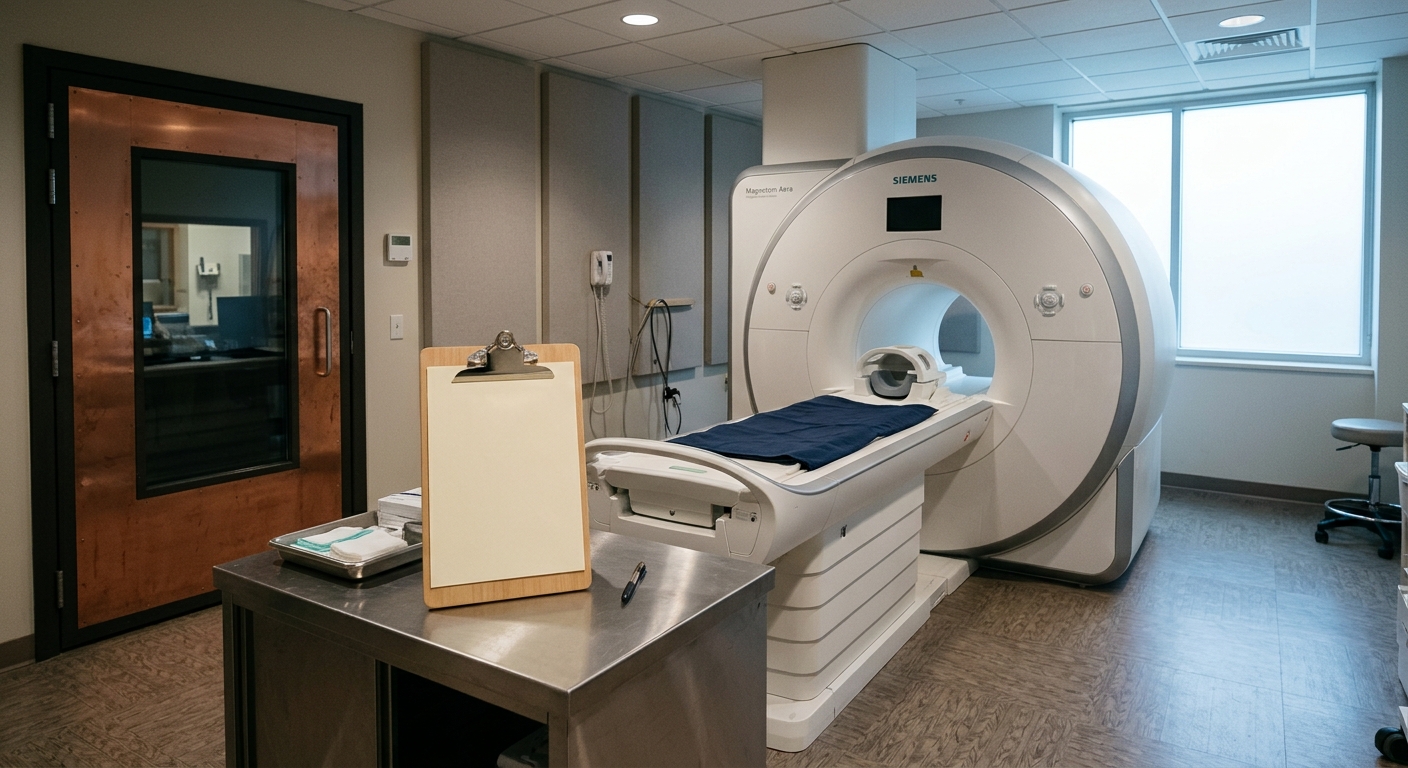
AI-generated illustration; not a photograph of the reported event.
- calendar_today November 17, 2026
Class Action Settlement Approved for Pictou Landing First Nation Members
A $400,000 settlement has been approved by Nova Scotia Supreme Court in a class action lawsuit alleging members of the Pictou Landing First Nation were subjected to unconsensual MRI scans. The approval was announced on Friday in a statement issued by McKiggan Hebert Lawyers, who represented the plaintiffs.
Background of the Lawsuit
The lawsuit was filed against two Halifax doctors, Robert Miller and Sharon Clarke. It claimed that around 60 Pictou Landing First Nation members underwent MRI scans as part of a 2017 research project. While participants agreed to certain scans, the lawsuit alleged they were also given additional, undisclosed MRI scans of their livers for a separate study without their knowledge or consent.
None of the allegations have been tested in court, and the defendants deny all claims made by the plaintiffs.
Allegations and Claims
The statement of claim specifies that the doctors' actions constituted invasion of privacy, recklessness, and caused distress to those involved. Further, the doctors were accused of negligence, unlawful imprisonment, and assault and battery, with accusations including keeping participants in the MRI machine longer than necessary and failing to inform them of serious health issues discovered in the scans.
Former Pictou Landing Chief Andrea Paul was reportedly among those who underwent the MRI scans. The statement noted that these scans revealed intimate medical information without her consent and claimed that she felt singled out because of her Mi'kmaq heritage, leading to feelings of discrimination and loss of dignity.
Reactions to the Settlement
Brian Hebert, representing the plaintiffs, described the settlement as the conclusion of a long journey for the Pictou Landing First Nation participants. In his statement, he emphasized the case's role in drawing attention to the necessity of full disclosure and consent in health research involving Indigenous communities, as well as the broader ethical responsibilities of researchers.
Hebert stated, "The lawsuit brought national and international attention to the need for full disclosure and consent when conducting health research involving Indigenous participants, and the dangers for researchers who don't bother learning the proper way of obtaining that consent. The lawsuit also sends the message: Don't mess with Pictou Landing First Nation."
A lawyer for the defendant doctors declined to comment on the settlement.
Context of Medical Research and Indigenous Communities
The lawsuit statement referenced the broader historical context of Indigenous people in Canada being subjected to non-consensual medical research and treatments. The allegations against Miller and Clarke reignited concerns about privacy invasion and the importance of ethical standards in medical research, particularly in collaborations involving Indigenous populations.
Moving Forward
The settlement concludes a case that drew national attention to the issue of medical consent, especially within Indigenous communities in Canada. While the defendants have not admitted wrongdoing, the case highlights continued vigilance over health research ethics and the rights of research participants.
Source: cbc.ca.