- calendar_today September 3, 2025
While Frankfurt may be an ocean away, the ripple effects of Germany’s stock market—represented by the DAX 40 Index—can be felt across Atlantic Canada’s coastal economies. From shipbuilding in Halifax to seafood exports in PEI, and from offshore energy near St. John’s to forestry in New Brunswick, local industries are more interconnected with Europe than ever before.
The DAX tracks Germany’s 40 largest publicly traded companies, including major players in automotive, pharmaceuticals, energy, industrial engineering, and chemicals. In 2025, changes in this index aren’t just relevant to European investors—they’re becoming an important barometer for Atlantic Canadian portfolios and industries tied to global demand.
Trade and Shipping: Atlantic Canada’s Gateway to Europe
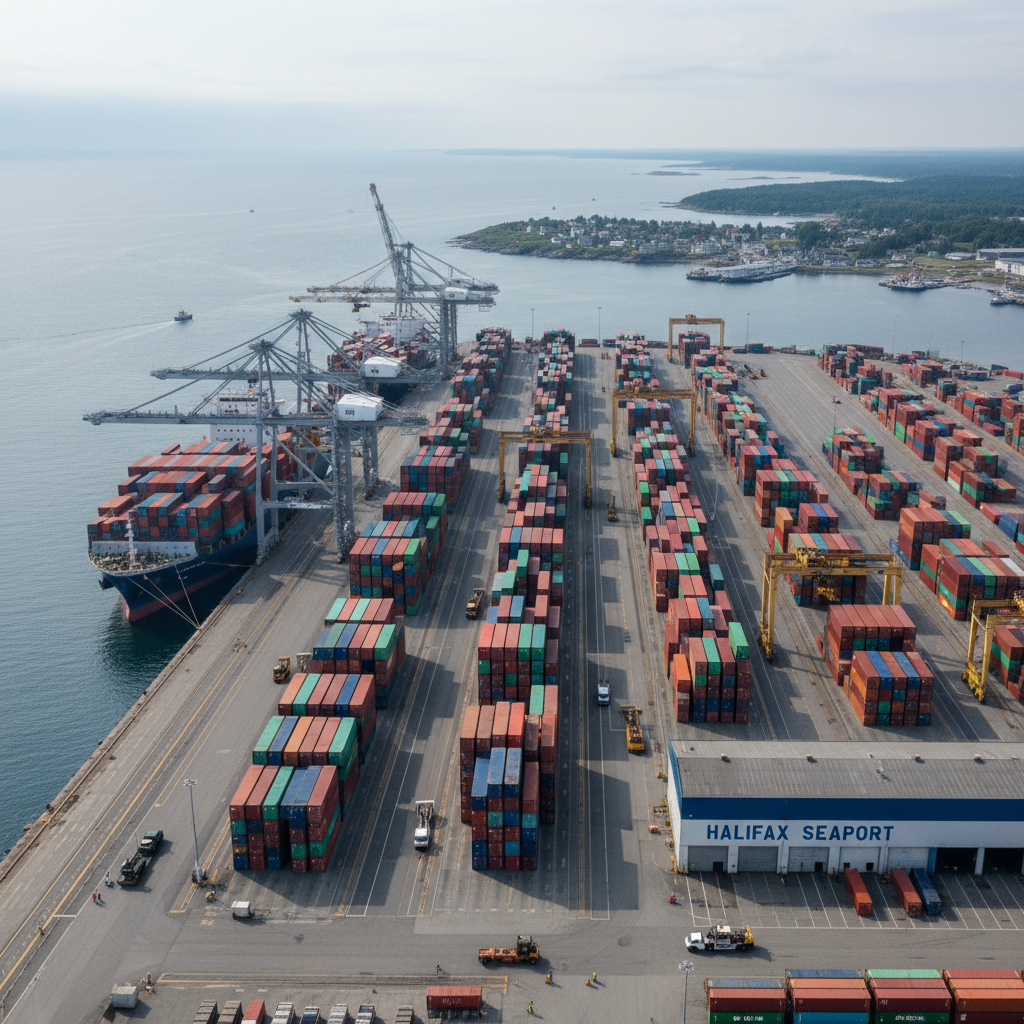
Germany is a key trading partner under the Canada-European Union Comprehensive Economic and Trade Agreement (CETA), and Atlantic Canada serves as a primary maritime bridge. The Port of Halifax and Port of Saint John have grown in strategic importance as Canada shifts more trade volume toward Europe.
If DAX-listed companies signal strong growth—particularly in sectors like manufacturing, clean energy, and automotive—it often correlates with rising export opportunities for Atlantic Canadian goods and increased container traffic through regional ports.
For logistics firms, customs brokers, and provincial economic planners, the DAX can be an early indicator of coming surges or slowdowns in cargo movement and trade volume.
Seafood, Agriculture, and Global Standards
Fisheries and agri-food exports remain cornerstones of the regional economy, particularly for PEI’s potato industry, Nova Scotia’s seafood sector, and New Brunswick’s maple and berry producers. European demand—and European standards—play a growing role in shaping how these products are harvested, packaged, and sold abroad.
Bayer, a DAX-listed giant, continues to shape global regulations around crop inputs and agri-tech. Meanwhile, consumer trends among DAX-heavy sectors like retail and food manufacturing affect which Canadian exports gain traction in European markets.
In 2025, tracking the DAX provides insight into shifting food trends and regulatory preferences, which can help local producers adjust marketing strategies, sustainability protocols, or pricing models.
Offshore Energy and the German Green Transition
Germany’s aggressive push toward clean energy has significant implications for Atlantic Canada’s offshore energy industry. While Newfoundland & Labrador still leans on traditional oil and gas production, the region is also exploring offshore wind potential—especially around the Gulf of St. Lawrence and the Bay of Fundy.
German DAX companies such as Siemens Energy and RWE are major global players in wind infrastructure and grid modernization. Their investments and R&D pipelines often forecast where global capital will flow next.
For Atlantic Canada’s clean energy developers, utilities, and provincial governments, the DAX is not just a market signal—it’s a strategic reference point for forming partnerships and timing investment rounds in renewable infrastructure.
Manufacturing and Industrial Partnerships
Atlantic Canada’s smaller-scale but diversified manufacturing base—from aerospace in Nova Scotia to shipbuilding and pulp processing—depends heavily on global supply chains. DAX firms like BASF (chemicals), Linde (industrial gases), and Siemens (engineering and automation) influence the cost and availability of key materials and technologies.
With Germany ramping up production in 2025 amid broader EU industrial policy shifts, Atlantic Canadian manufacturers are watching DAX performance to anticipate both competition and collaboration opportunities. A strengthening DAX often coincides with expanded trade in industrial goods and increased demand for Canadian raw or semi-processed materials.
Currency Movements and European Consumer Demand
As Germany’s economy strengthens, the euro typically gains ground. This has two major effects in Atlantic Canada:
- Export Leverage: A stronger euro makes Canadian goods—like seafood, lumber, and agri-food—more affordable to European buyers, creating an advantage for exporters in places like PEI and Nova Scotia.
- Import Pricing: On the flip side, Atlantic Canadian businesses that import machinery, vehicles, or medical equipment from Europe may face higher costs.
Because the DAX acts as a proxy for investor confidence in the eurozone, its movements provide early signals for currency trends. For business owners and financial planners, this helps inform when to lock in contracts or adjust pricing models.
Diversification for Atlantic Canadian Portfolios
In an era of domestic market uncertainty and slowing Canadian GDP growth, many financial advisors in Atlantic Canada are urging clients to diversify into international equities. European markets—particularly Germany—offer exposure to industries less tied to North American cycles.
Investors in Saint John, Charlottetown, and Halifax are increasingly turning to international ETFs or mutual funds that include DAX-linked companies. These include firms at the forefront of global infrastructure, automation, digital security, and climate tech—areas with strong long-term growth potential.
For pension funds and RRSP/TFSA holders, the DAX also offers a hedge against Canadian energy price volatility and housing market concentration.
How Atlantic Canada Investors Can Access the DAX
Several options make DAX investment accessible:
- Global ETFs: Canadian brokerages offer ETFs such as iShares MSCI Germany or those directly tracking the DAX, which provide diversified exposure.
- Mutual Funds: Actively managed global or European funds offered by firms like RBC, TD, and Fidelity often hold top DAX constituents.
- ADRs and Direct Equities: Investors can buy U.S.-listed ADRs for major German firms like SAP, Allianz, or Volkswagen through platforms such as Wealthsimple, Questrade, or Scotia iTRADE.
These tools give Atlantic Canadian investors direct access to Europe’s industrial backbone—complementing local exposure to Canadian banks and energy stocks.
A Global Lens for a Regional Strategy
Atlantic Canada’s economic future is not confined to its coastal borders. From port logistics to seafood exports, and from offshore wind to small-cap manufacturing, the region’s prosperity is increasingly intertwined with global trends—especially those emerging from Europe’s economic engine.
In 2025, the DAX 40 offers more than just numbers from Frankfurt. It offers a lens through which business leaders, policy analysts, and everyday investors in Atlantic Canada can gauge what’s coming next.
Whether you’re investing in your RRSP or planning your next business pivot, looking across the Atlantic may give you the edge you need.